
Are you looking for the best Zoho Expense alternatives to manage your company's spending in the UAE?
In this guide, I'll review the 7 best Zoho Expense alternatives in 2026 for UAE businesses, covering their features, pricing, and pros and cons.
TL;DR
- Pemo is the best Zoho Expense alternative in 2026 for UAE businesses that want corporate cards, real-time spend control, and AI-powered accounting automation on a single platform.
- Rydoo and Tipalti are also worth considering if travel expense management and cross-border reimbursements are your top priorities.
What are the best Zoho Expense alternatives in 2026?
The best alternatives to Zoho Expense in 2026 are Pemo, Mamo, and BILL.
Here's my shortlist of the 7 best Zoho Expense alternatives on the market:
#1: Pemo
Pemo is the best Zoho Expense alternative in 2026 for UAE businesses that want corporate cards, real-time expense tracking, and AI-powered accounting automation without relying on a claim-and-reimburse workflow.

Full disclosure: Pemo is our platform, but I'll give you an honest breakdown of why it stands out and where it fits.
If you've been using traditional expense management platforms, you know the drill: employees pay out of pocket, snap a receipt, file a report, wait for approval, then wait again for reimbursement.
Pemo skips that entire cycle.
We give every team member a corporate card with preset rules, and the platform handles the rest, from live tracking to AI-powered bookkeeping.
Let's go over the capabilities that make Pemo the best option for teams looking to move beyond Zoho Expense: 👇
Replace Expense Reports With Corporate Cards
Pemo puts a corporate card in your employees' hands before they spend.
Instead of reimbursing employees after the fact, Pemo puts a prepaid corporate card in their hands before they spend a single dirham.
You can issue unlimited virtual cards to any team member in seconds, each with its own spending rules.
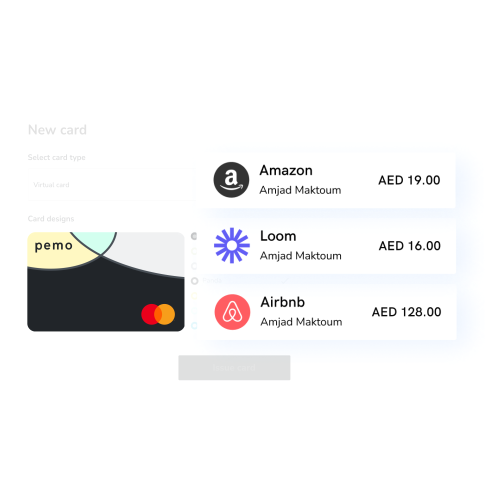
Here's what our customers rely on most:
- Instant card creation: Generate unlimited virtual cards for any team member in seconds. No paperwork, no waiting. Physical cards ship directly to your office.
- Granular spending rules: Cap spending per transaction, per day, per week, or per month. Block specific merchant categories or restrict to approved vendors only.
- Freeze anything instantly: Spot something unusual? Lock any card from your phone or desktop with one tap. Reactivate just as fast.
- Cashback that adds up: Earn cashback on advertising spend with Google Ads and other partners, and up to 2% back on international transactions.
➡️ You can create unlimited virtual cards in seconds with Pemo, free of charge.
Stop Chasing Receipts and Missing Paperwork
Every card transaction gets logged the second it happens. Your employees receive a push notification to snap their receipt, and our AI matches it to the correct transaction without anyone lifting a finger.
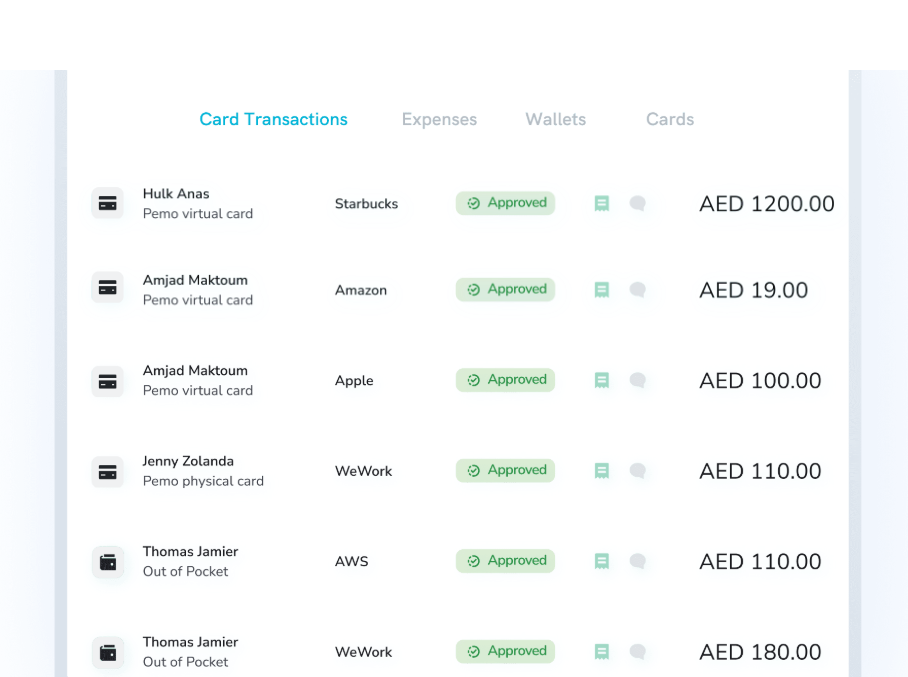
Here's how this helps your finance team:
- AI receipt matching: The system pairs receipts to transactions without manual input. Your finance team reviews matches instead of building them.
- Configurable approval chains: Set different approval paths for different types of spending. Marketing expenses go to one person, travel costs to another. You configure it once.
- Reports that write themselves: Transaction data feeds directly into expense reports as purchases happen. Month-end doesn't mean a week of data cleanup.
- Personal card submissions: For the rare out-of-pocket purchase, employees use the same app to submit receipts and route them through approvals.
AI-Powered Accounting That Learns Your Patterns (Pemo Copilot)
Pemo Copilot auto-categorizes every expense to your chart of accounts, assigns the correct vendor, and tags VAT treatment based on patterns it learns from your historical data.
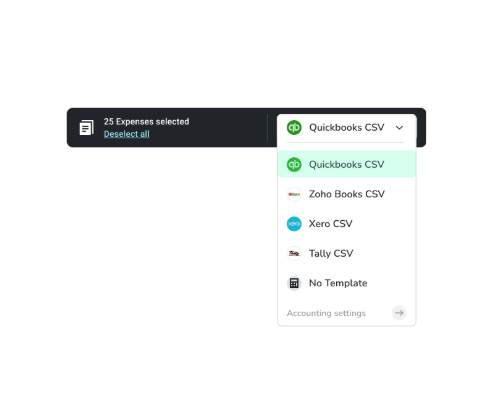
Here's why accounting teams appreciate this:
- Works with the tools UAE teams actually use: Direct integrations with QuickBooks, Xero, Zoho Books, Wafeq, and Tally. No CSV files, no copy-pasting between tabs.
- Gets smarter with every transaction: The AI improves its categorization accuracy the more your team uses it, so month two is faster than month one.
- Books close up to 5x faster: Reconciliation happens continuously, not as a month-end marathon. Your accountant opens the books and they're already mostly done.
- VAT-ready from day one: Every transaction is tagged for corporate tax compliance without your team doing it manually.
Partner Discounts and Cashback
Pemo doesn't just help you manage spending. Our platform helps you spend less.
Our customers get access to our partner discount network, which currently includes over 300 deals on tools and services that UAE businesses actually use.
- Cashback on ad spend through Google Ads, Meta, and other platforms.
- Travel perks include up to 15% off hotels and complimentary airport lounge access at top airports worldwide.
- Software discounts on Notion, Microsoft, and over 100 other business tools.
- Regional deals with brands like Careem, Talabat, Booking.com, and CAFU.

On top of that, Pemo cardholders earn up to 2% cashback on eligible business transactions.
Pemo's Pricing
Pemo offers a free plan for up to 2 card users that gives you access to unlimited virtual cards, a mobile app, expense reports, card spending limits, and Excel exports.
To access Pemo's advanced features, you'd need to be on one of our 2 paid plans:
- Essential: AED 29/month per cardholder, which adds cashback on online advertising spend, integration with popular accounting platforms like QuickBooks, Xero, Zoho Books, Wafeq, and Tally, spend analytics, and more.
- Business+: Custom pricing starting from 20 card users, which adds higher cashback rates on card spending, custom onboarding and training, and a dedicated customer success manager.

Want to learn more? You can sign up for Pemo's free plan or book a demo to see it in action.
Pemo's Pros and Cons
✅ Every card transaction is tracked in real-time across desktop and mobile, no manual entry needed.
✅ Direct integrations with QuickBooks, Xero, Zoho Books, Wafeq, and Tally for automated accounting.
✅ Invoice management with multi-level approval workflows included in every plan.
✅ Cashback on advertising spend and up to 2% back on FX transactions through 300 partner discounts.
✅ Free plan with unlimited virtual cards for up to 2 card users.
❌ Wallet top-ups run on bank transfers, which means no funding on weekends, according to some user feedback.
#2: Mamo
Best for: Businesses looking for affordable corporate cards with global acceptance and cashback rewards.
Similar to: Pemo.
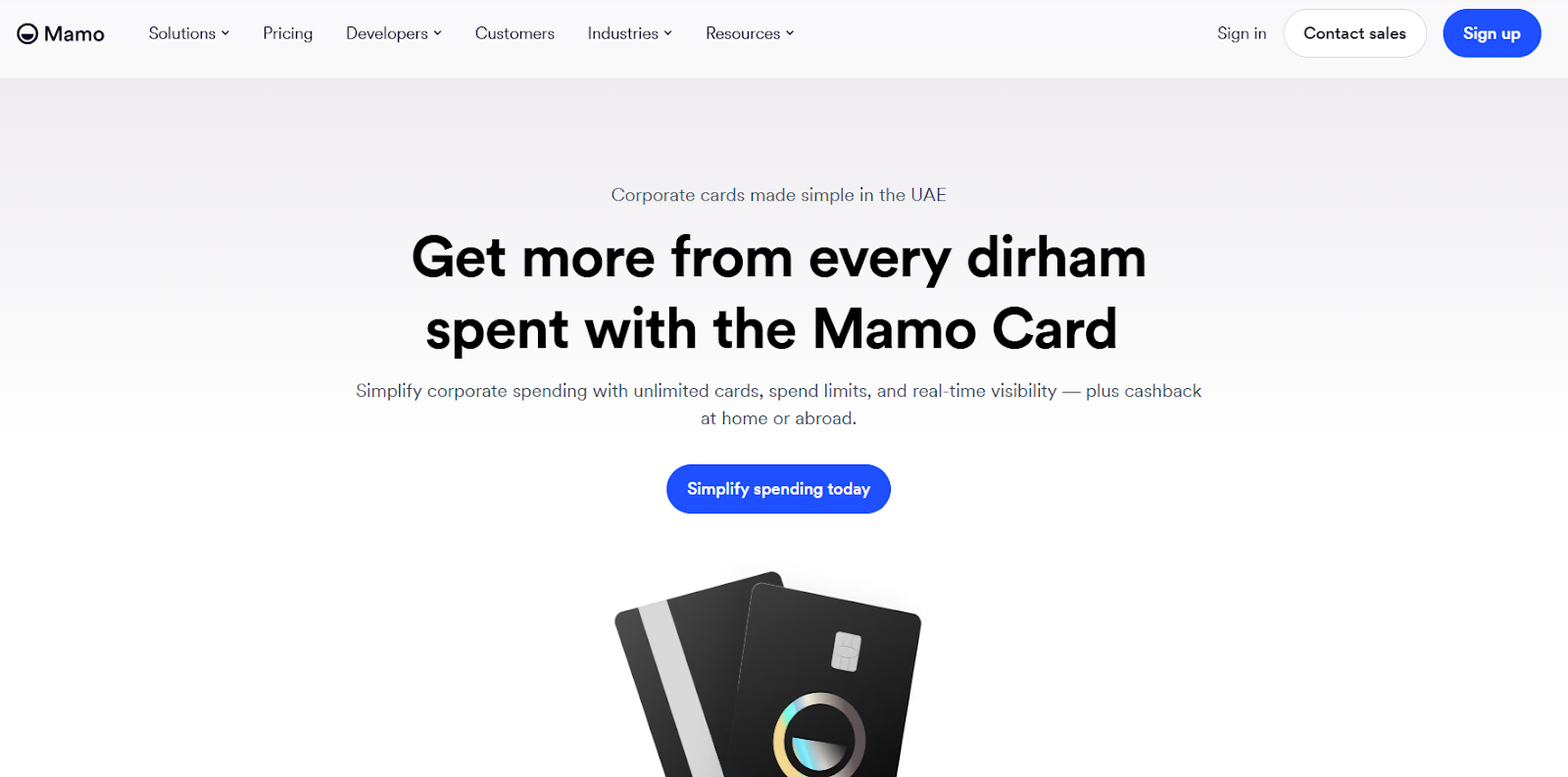
Mamo is a UAE-based payments platform that gives businesses unlimited virtual and physical corporate cards, with up to 2% cashback on non-AED transactions and real-time expense visibility.
The platform has transparent pricing and doesn't cap the number of cards you can issue across any plan.
Features
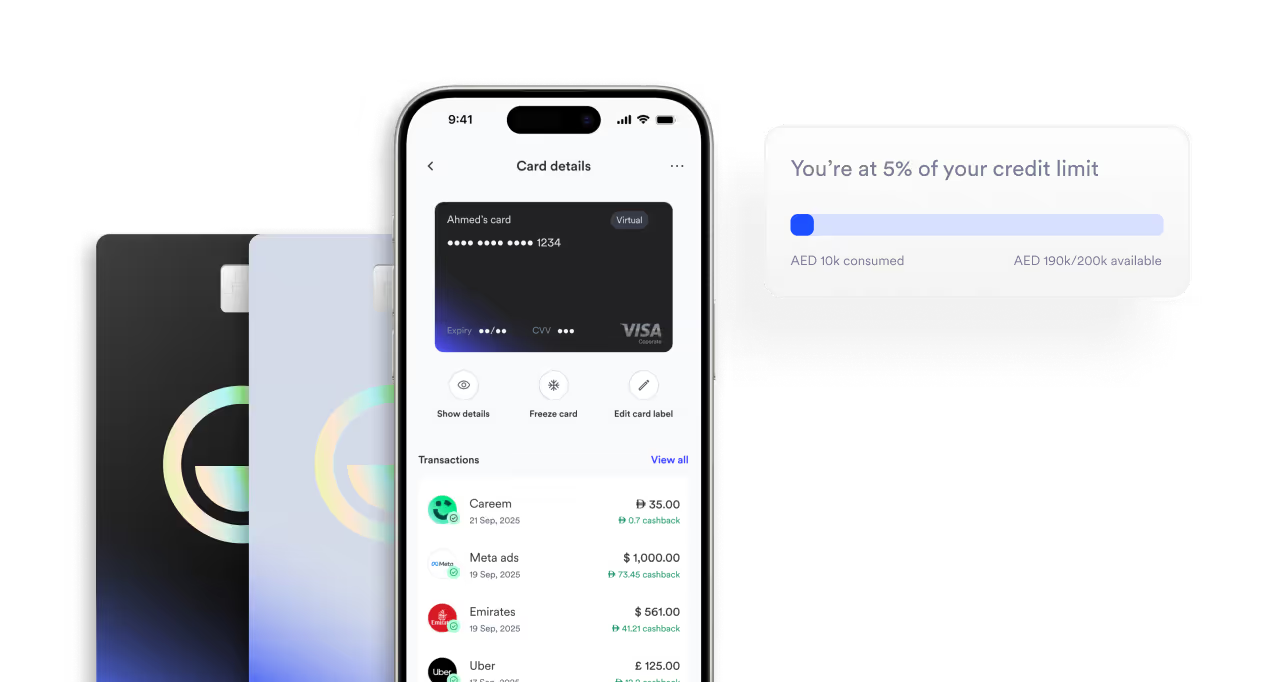
- Unlimited virtual and physical cards: Issue as many cards as your team needs without restrictions, making it straightforward to manage budgets across departments and projects.
- Global usability with cashback: Cards work anywhere, online or offline, and earn up to 2% cashback on international transactions.
- PCI-DSS certified security: Real-time transaction monitoring, instant card freezing, and activity updates keep company spending secure.
Pricing
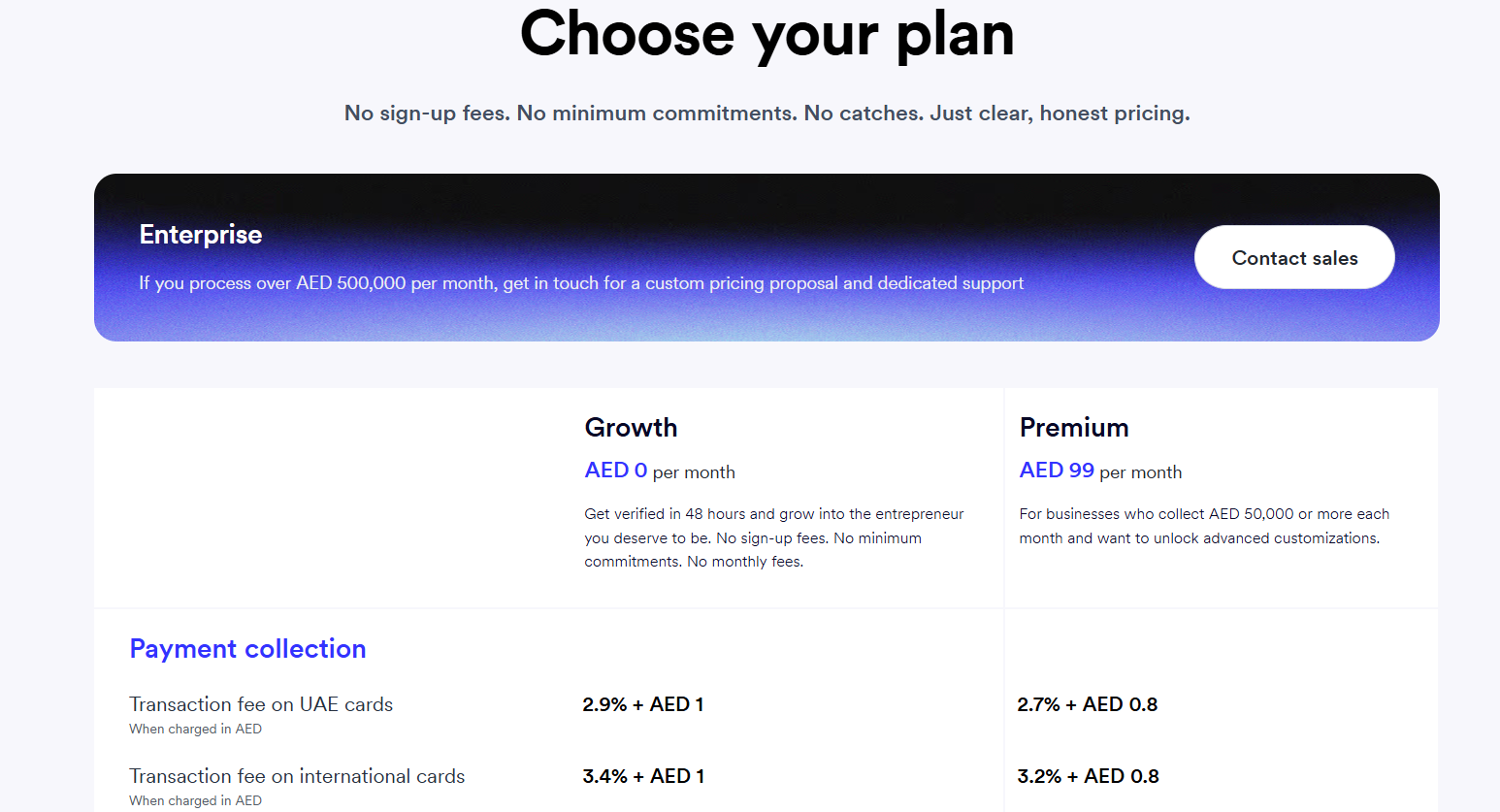
Mamo offers three pricing tiers:
- Growth: Free monthly, with a 2.9% plus AED 1 per transaction fee. Includes support for Visa, Mastercard, Apple Pay, corporate cards (physical and virtual), payment APIs, and e-commerce integrations.
- Premium: AED 99/month, with a 2.7% plus AED 0.8 per transaction fee. Adds lower transaction fees, free ATM withdrawals in the UAE, and branded payment links.
- Enterprise: Custom pricing for businesses processing over AED 500,000/month. Includes a dedicated customer success manager.
Pros and Cons
✅ Enterprise-grade security with PCI-DSS certification.
✅ Global usability with up to 2% cashback on international transactions.
✅ Transparent pricing with a free tier to get started.
❌ 2.9% plus AED 1 per transaction on the free plan can add up with heavy usage.
#3: BILL
Best for: Organizations that want accounts payable, accounts receivable, and spend management under a single login.
Similar to: Xpence, Happay.
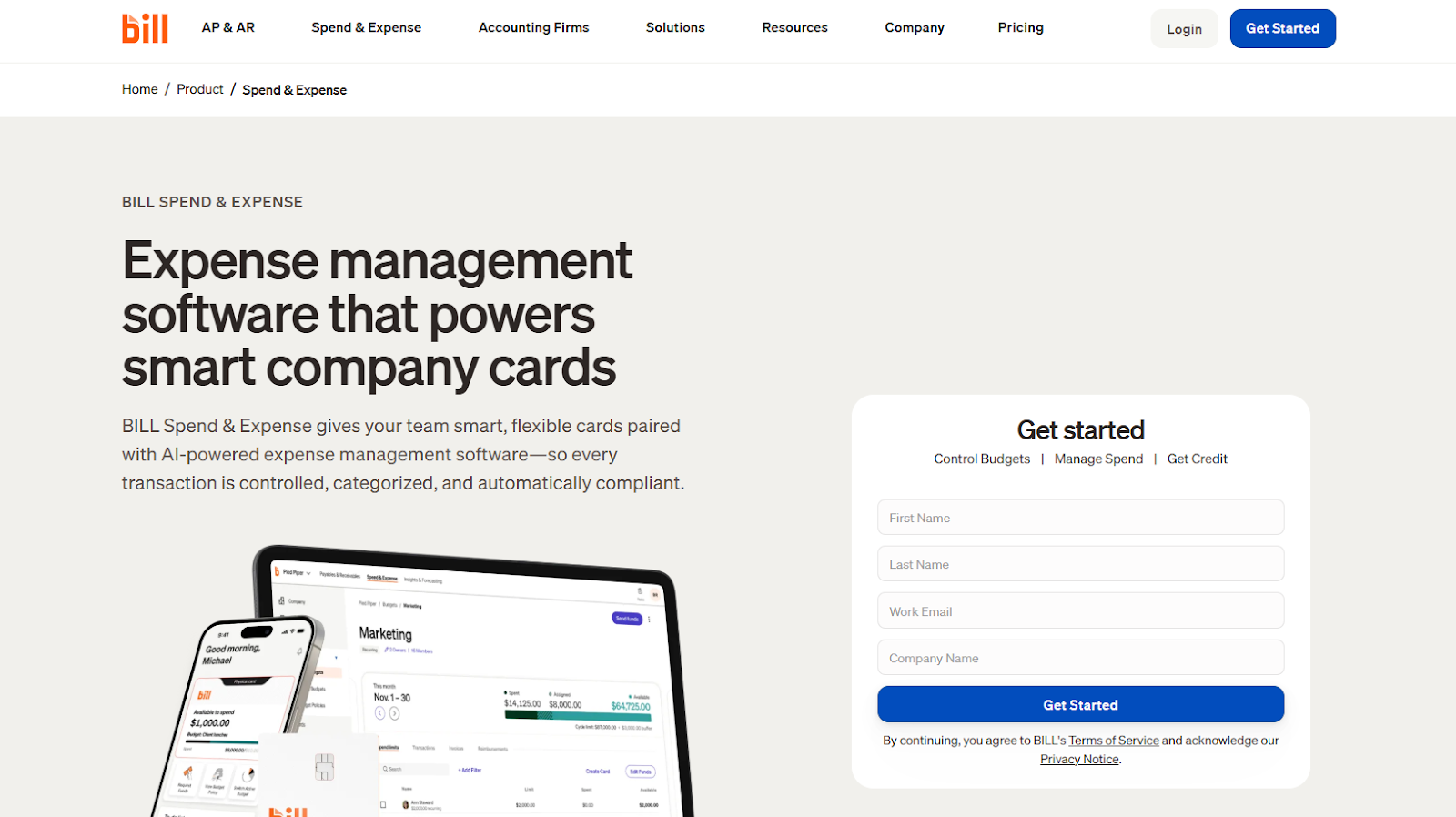
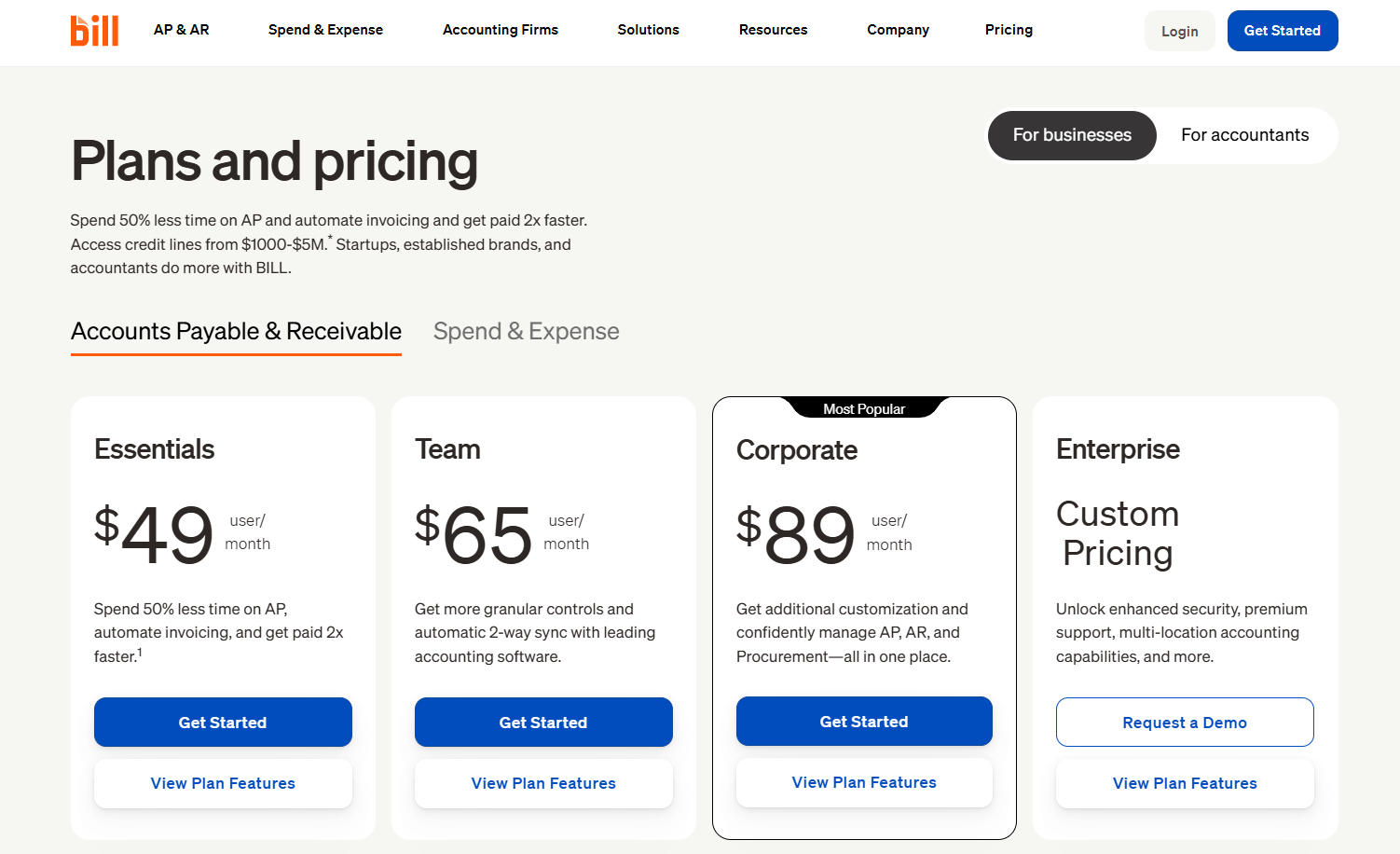
BILL is a financial operations platform that brings together AP, AR, spend management, and expense tracking in one place.
The platform is a natural fit for businesses that want to consolidate several financial tools, and its Divvy Card offers credit lines from $1,000 to $5M.
Features
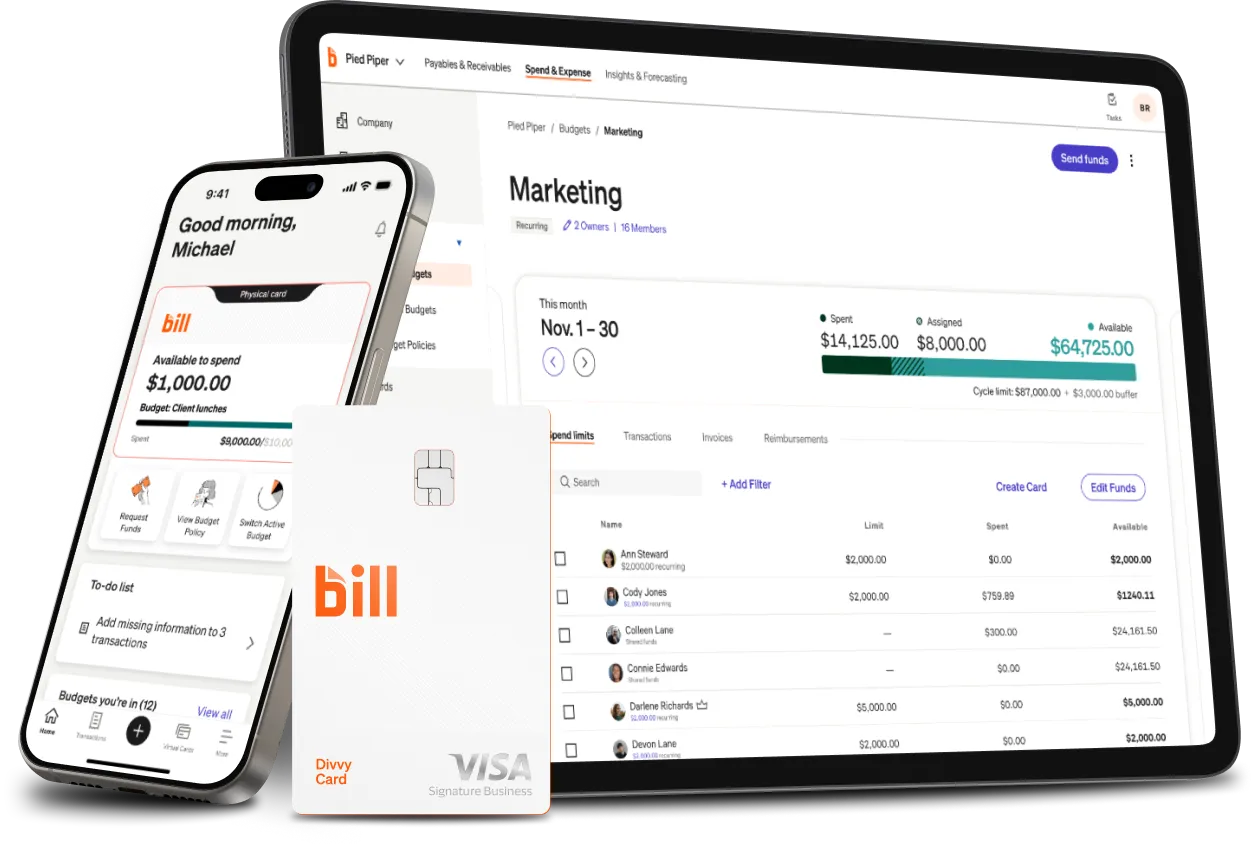
- Unified financial operations: Manage your accounts payable, receivable, spending, and expenses from one dashboard with automatic sync across all modules.
- Credit lines with the BILL Divvy Card: Access credit lines between $1,000 and $5M, along with budgeting tools and real-time spend tracking.
- Accounting software integrations: Connect with your existing tech stack for automatic two-way data sync on the Team plan and above.
Pricing
BILL has four pricing tiers:
- Essentials: $49/user/month, includes basic AP and AR functionality with live chat and phone support.
- Team: $65/user/month, adds automatic two-way sync with accounting software and custom user roles.
- Corporate: $89/user/month, adds combined AP and AR management and custom approval policies.
- Enterprise: Custom pricing, adds premium support, multi-location accounting, and extra integrations.
Pros and Cons
✅ All-in-one financial platform covering AP, AR, and spend management together.
✅ Easy integration with popular accounting software.
❌ One user mentions that they find it challenging at times to map and integrate custom fields or make changes to existing fields.
#4: Rydoo
Best for: Teams that manage frequent business travel and need per diem calculations, receipt scanning, and multi-country tax compliance.
Similar to: Tipalti, Spendesk.
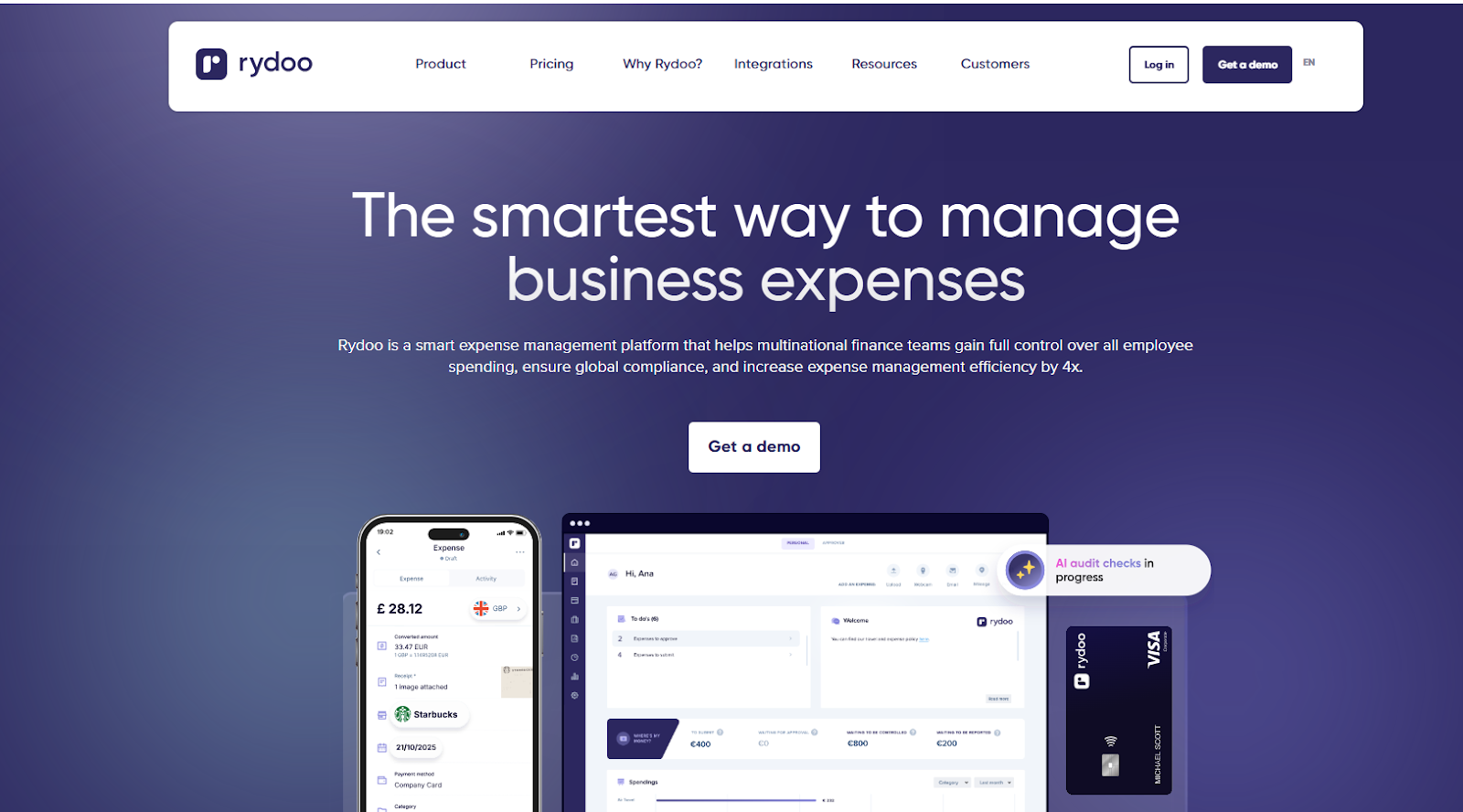
Rydoo is an expense management platform focused on travel-related costs, with automatic per diem calculations, real-time reporting, and a mobile-first experience for employees on the move.
It's a natural comparison to Zoho Expense because both platforms handle expense reporting, but Rydoo goes deeper into travel policy automation.
Features

- Smart Audit: AI-powered monitoring that analyzes employees' expenses and flags non-compliant or suspicious claims automatically.
- Receipt scanning with high accuracy: Employees snap a photo of any receipt, and the system auto-fills expense details in seconds with over 95% accuracy.
- Multi-country tax and legal compliance: Rydoo adjusts to local regulations and tax rules across different countries, making it practical for teams with international travel.
Pricing
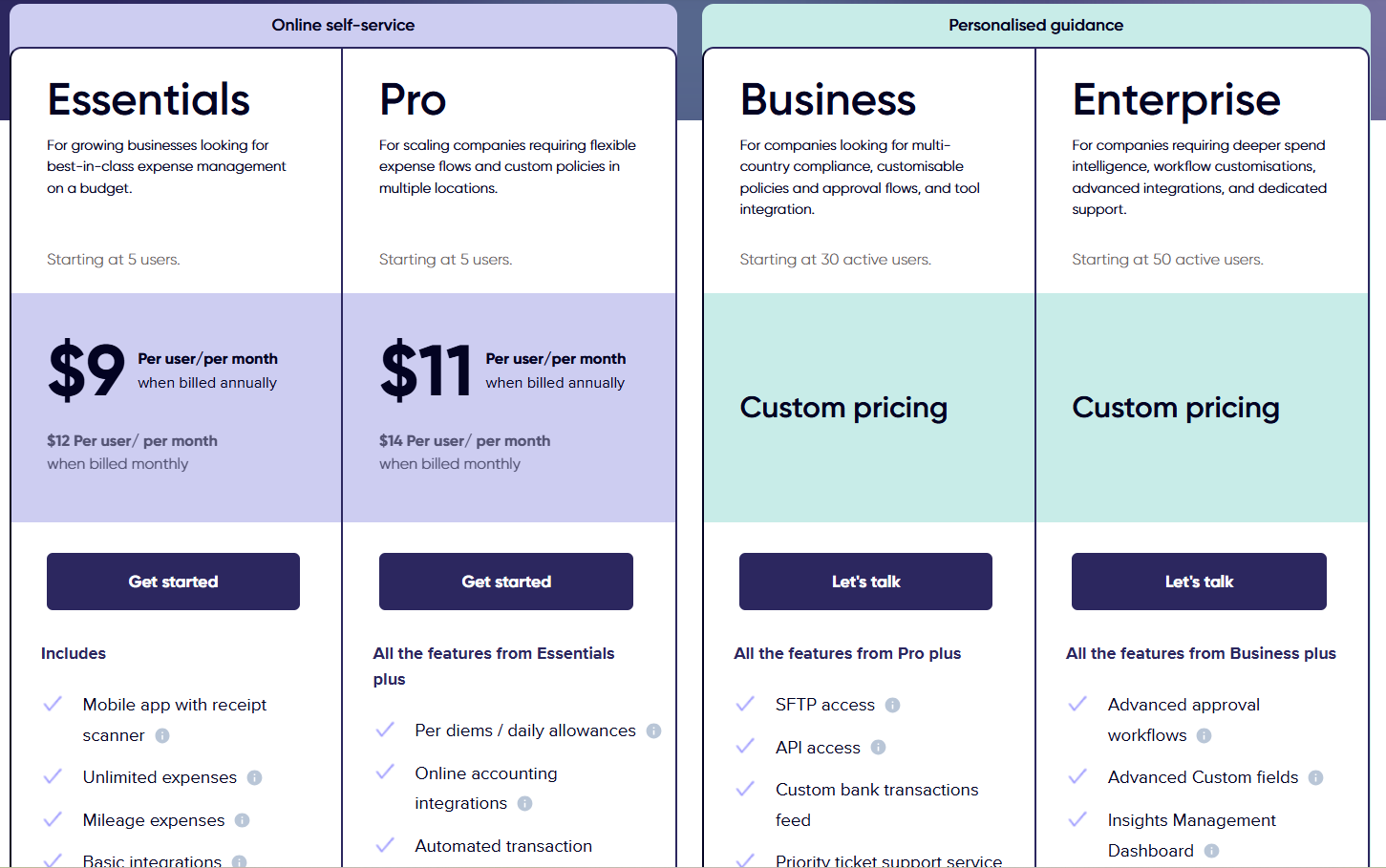
Rydoo has four pricing tiers:
- Essentials: $9/user/month (billed annually), includes a mobile app with receipt scanner, unlimited expenses, basic integrations, and local legal and tax compliance.
- Pro: $11/user/month (billed annually), adds per diems, online accounting integrations, customizable policies and rules, and multi-country compliance.
- Business: Custom pricing, adds SFTP access, API access, custom bank transactions feed, and priority support.
- Enterprise: Custom pricing, adds advanced approval workflows, SAML SSO, insights management dashboard, and extended sandbox access.
Pros and Cons
✅ Intuitive mobile interface for quick and painless expense submissions.
✅ Strong per diem and travel policy automation across multiple countries.
✅ Transparent, per-user pricing starting at $9/month.
❌ Business and Enterprise plans do not have public pricing.
#5: Xpence
Best for: UAE businesses that want every transaction categorized automatically with data-driven insights into employee spending.
Similar to: Pemo.
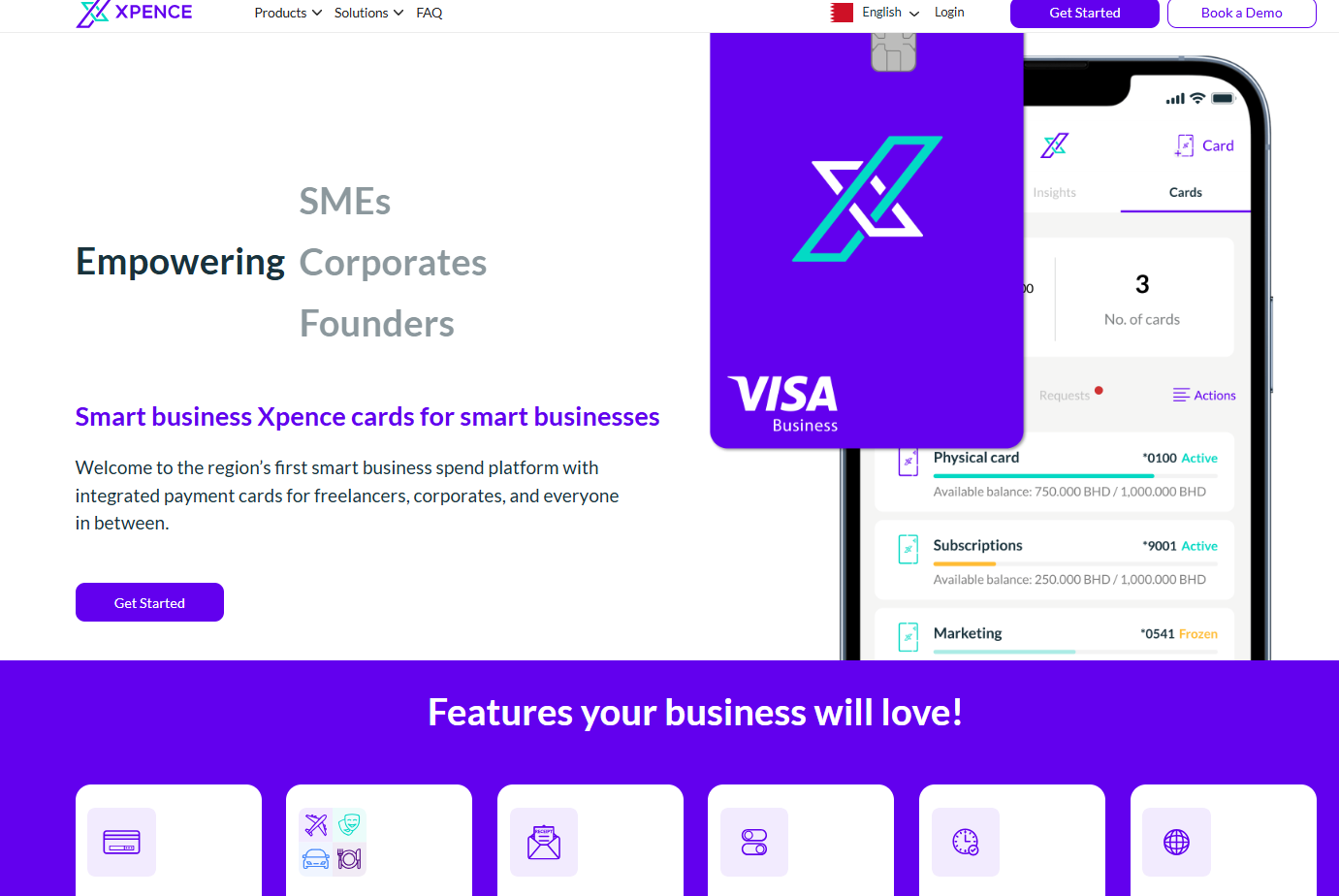
Xpence is a UAE-based spend management platform that assigns a category to every business transaction in real-time and gives you a centralized dashboard to monitor all employee spending.
Its analytics capabilities help finance teams identify spending patterns and areas where costs can be managed more tightly.
Features
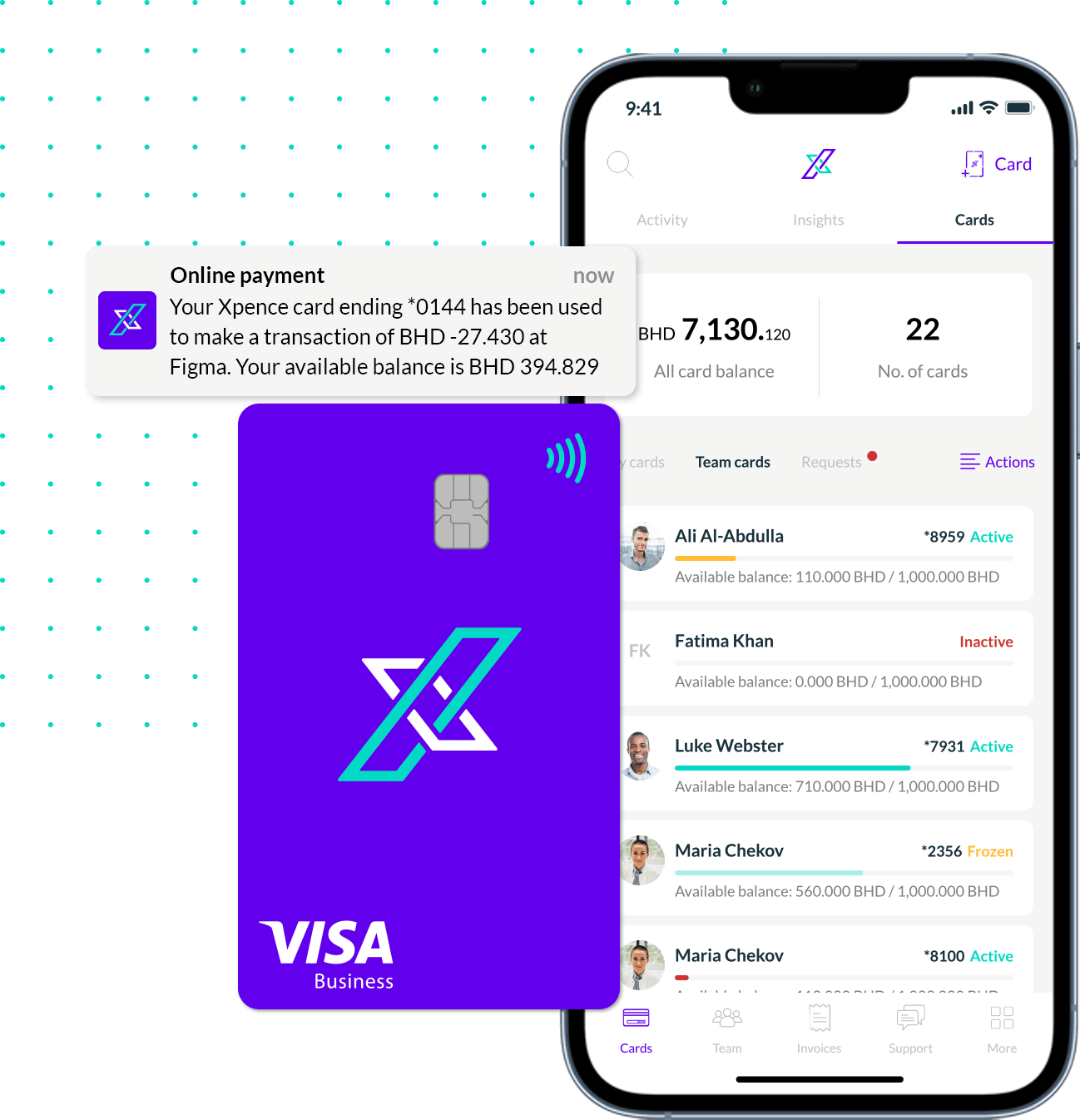
- Automatic transaction categorization: Every purchase gets assigned to a category the moment it happens, cutting out hours of manual bookkeeping.
- Centralized spend monitoring: Track all business expenses from one dashboard, giving you a clear view of where money goes across the organization.
- Spending analytics: Data-driven insights into employee spending patterns help you spot trends and flag areas for cost reduction.
Pricing
Xpence does not publicly disclose its pricing, so you'd need to contact their team to get a demo and a quote.
Pros and Cons
✅ Real-time spending tracking and approval workflows.
✅ Automatic categorization of every transaction saves hours of manual bookkeeping.
✅ Detailed spending analytics to monitor and manage employee expenses.
❌ No public pricing, unlike many Xpence alternatives.
#6: Spendesk
Best for: Teams that want to manage employee reimbursements and invoice processing in one place with OCR-powered receipt capture.
Similar to: Qashio.
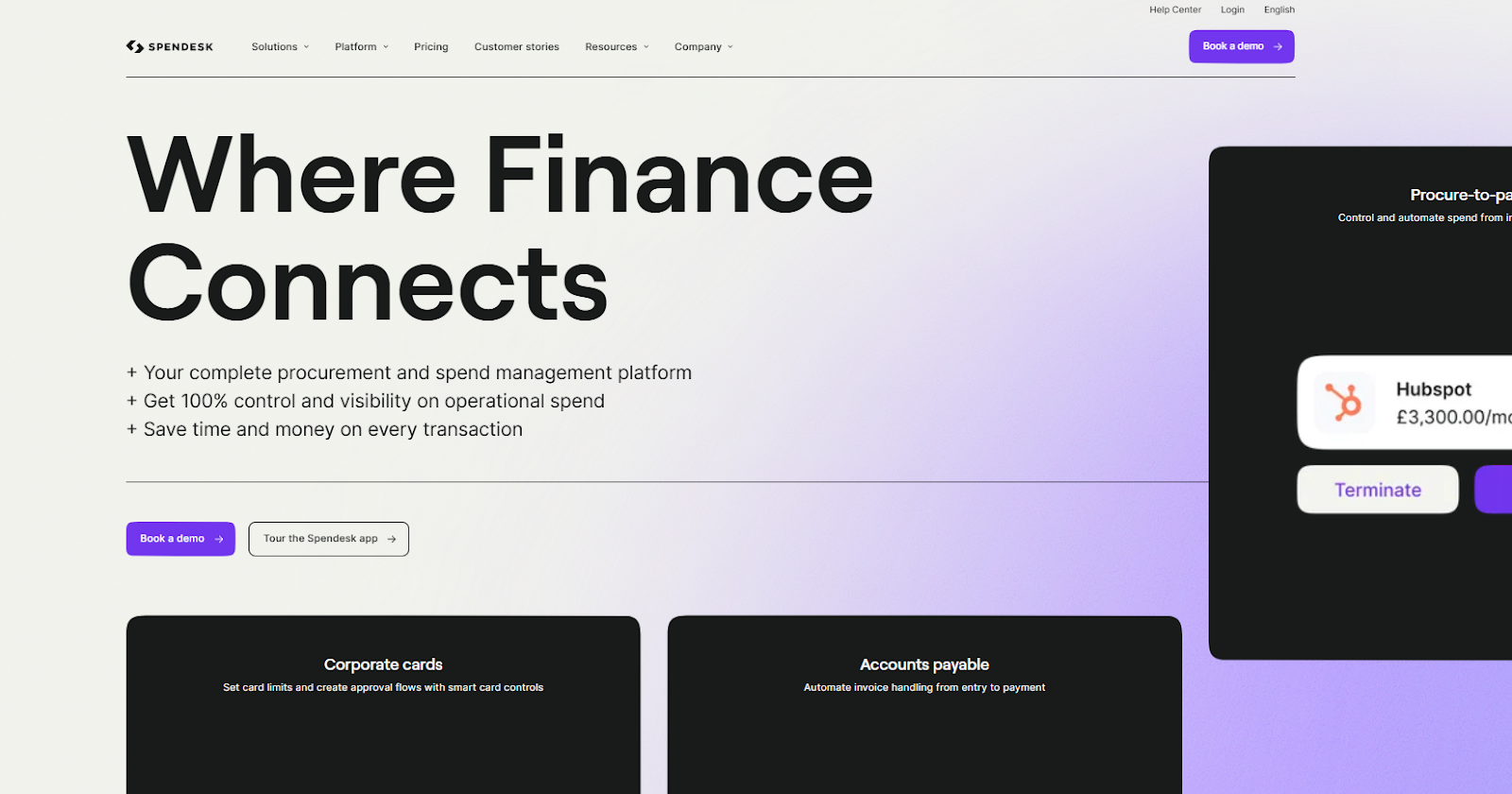
Spendesk is a spend management platform that brings together spending approvals, employee reimbursement, and invoice tracking for businesses in the UAE.
Its OCR technology captures and extracts details from receipts automatically, and the mobile app lets employees submit reimbursement requests with a quick photo.
Features
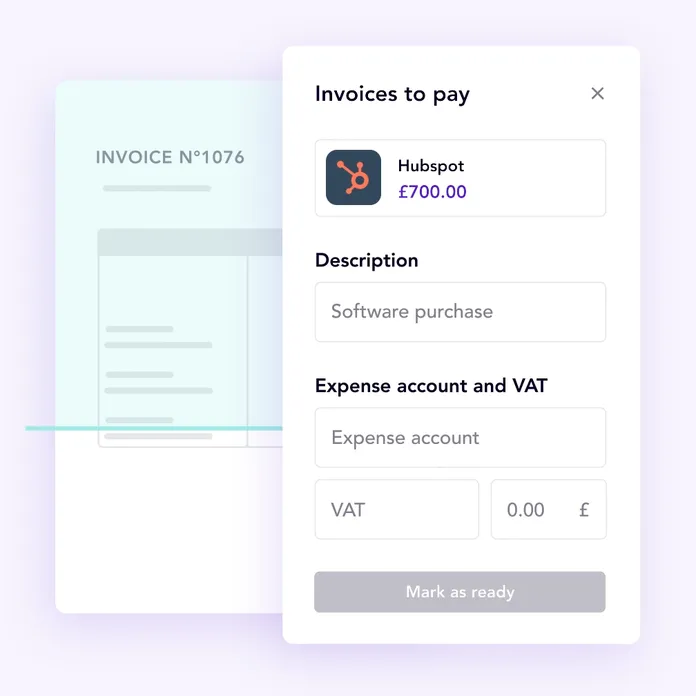
- Real-time expense monitoring: Your finance team can spot errors, flag missing receipts, and stay compliant as expenses come in, not weeks later.
- Mobile reimbursement requests: Employees snap a photo of their receipt from the app, submit it, and the system routes it through your approval chain.
- Duplicate detection: Spendesk catches duplicate invoices and other errors before they make it through your payment process.
Pricing
Spendesk offers 2 paid tiers with custom pricing on both, so you'd need to contact their sales team for a quote.
Pros and Cons
✅ End-to-end invoice management.
✅ Detects duplicate invoices and other errors before they become costly mistakes.
✅ Real-time budget controls for managing spend across departments.
❌ Pricing is not transparent.
#7: Tipalti
Best for: Organizations that manage expense reimbursements across dozens of countries and need global payment processing at scale.
Similar to: Happay, Rydoo.
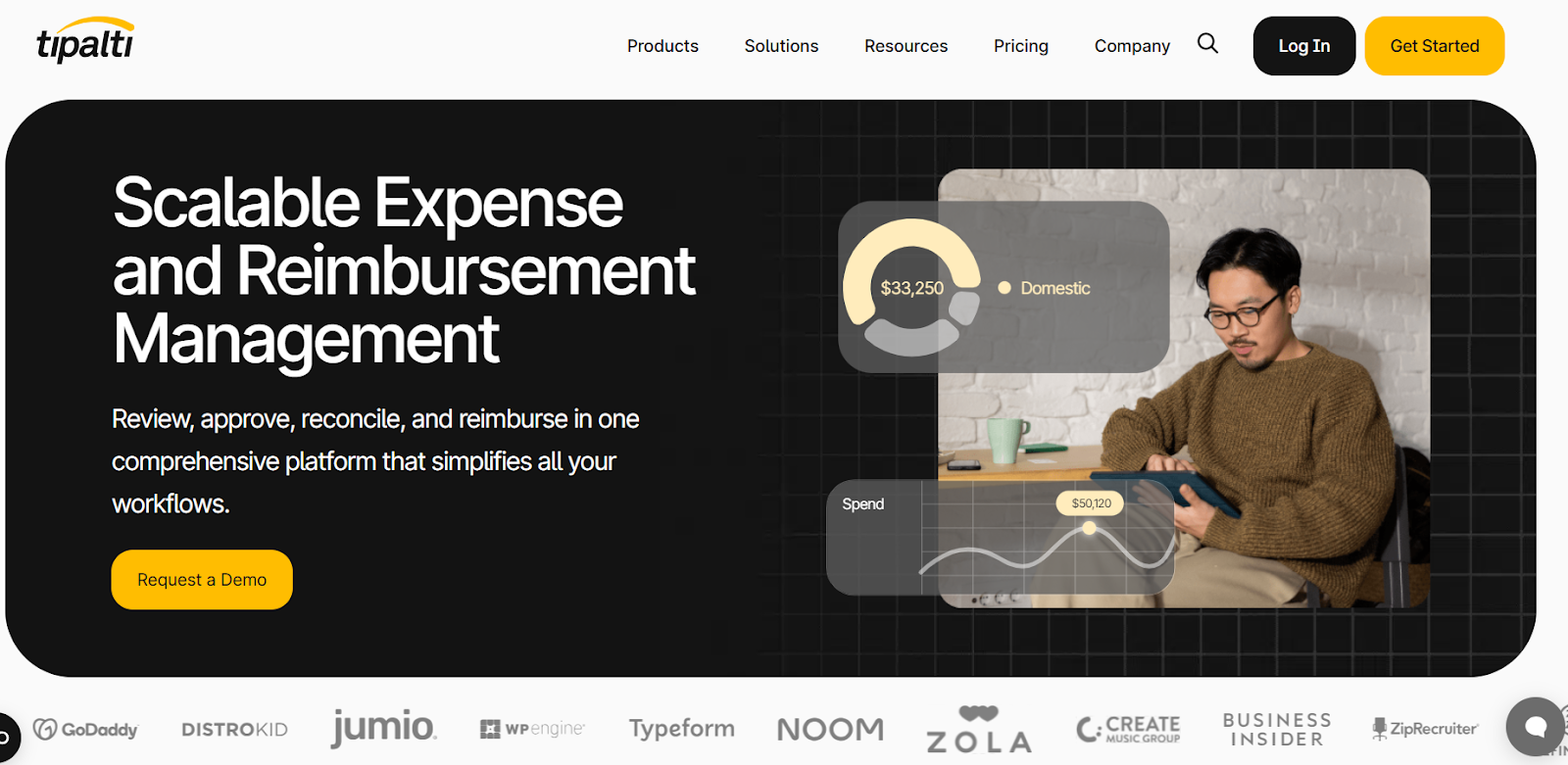
Tipalti offers an expense and reimbursement management platform that covers everything from expense submission to payment processing, with particular strength in cross-border payments.
The platform supports reimbursements across 196 countries in over 120 currencies using more than 50 payment methods.
Features
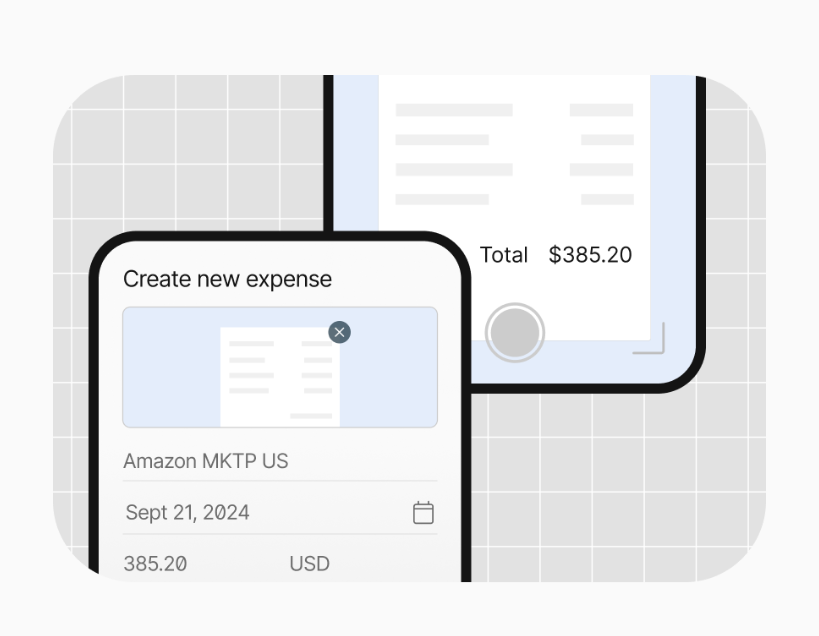
- Global reimbursement processing: Pay employees and contractors in 196 countries using 120 currencies and over 50 payment methods, from bank transfers to PayPal.
- Corporate card reconciliation: The platform supports expense tracking across multiple card providers, including Mastercard, Visa, AmEx, and Tipalti's own card.
- Automated accounting sync: Speed up your monthly close with direct integrations into ERP and accounting systems like NetSuite, Sage Intacct, and QuickBooks.
Pricing
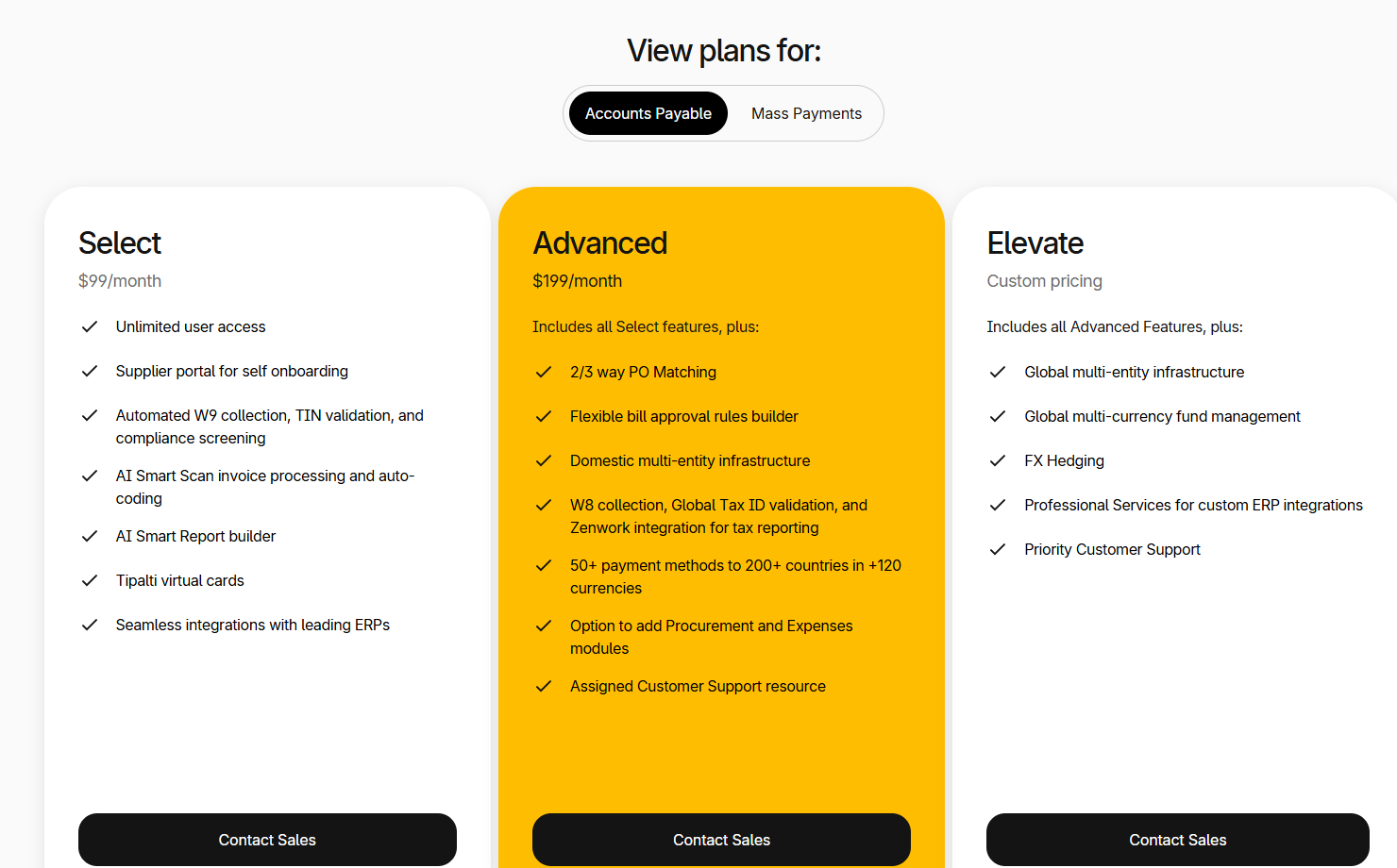
Tipalti offers three pricing tiers:
- Select: $99/month, which includes a supplier portal, AI-powered invoice scanning, flexible approval rules, and ERP integrations.
- Advanced: $199/month, which adds procurement features, multi-entity and multi-currency support, and 2 and 3-way PO matching.
- Elevate: Custom pricing, which adds a full procurement solution, budget management, and Slack integrations.
Pros and Cons
✅ Handles global reimbursements at a scale most competitors can't match.
✅ Strong multi-currency and cross-border payment support.
✅ Good integrations with major ERP and accounting systems.
❌ Higher starting price at $99/month than some of the other competitors on the market.
Sign up for Pemo's free plan today
If you're looking for a spend management platform that offers:
- Automated approval flows for invoices and expenses.
- Integrations with QuickBooks, Xero, Zoho Books, Wafeq, and Tally.
- Real-time spending controls with per-transaction, daily, and monthly limits.
- Cashback on ad spend and FX transactions through 300 partner discounts.
Then you can sign up for Pemo's free plan or book a demo to see why 10,000+ businesses in the MENA region have chosen us.
⚠️ Disclaimer: This article was last updated on 26th of August, 2026 and if there's any misinterpretation of the information, please contact us and we will fact check it.


