
Payment fraud prevention software limits what a stolen card or a redirected supplier payment can reach, then helps a finance team spot and stop it on the same day.
In this guide, I'll walk you through the 9 best payment fraud capture and prevention software options in the UAE for 2026, judged on the controls each one puts in place to protect company money.
TL;DR
- Pemo offers the best payment fraud prevention software in the UAE for card and supplier payments, combining per-card limits and single-use virtual cards with decline alerts and payee checks in Bill Pay.
- Tipalti and Kyriba focus on supplier payments, screening payees and bank details before money leaves.
- For virtual card payments to suppliers, HSBC and American Express attach transaction-level controls to each card.
- ADCB generates a fresh card number for every transaction on its virtual corporate credit card.
- Mamo monitors card transactions and sends real-time alerts.
- Wio Business lets admins limit each team card and block the account instantly.
- Network International adds merchant category blocking and a liability waiver to its commercial prepaid card.
What are the best payment fraud capture and prevention software in the UAE in 2026?
The best payment fraud prevention software in the UAE in 2026 is Pemo, which covers company cards and supplier payments from one dashboard.
For supplier payments at a larger scale, I'd look at Tipalti and Kyriba next.
Here's how all 9 compare on fraud controls and starting price:
Each tool here passed four tests:
- Controls before the payment: limits, single-use numbers or payee screening act before money leaves.
- Fast response or containment: suspicious activity can be stopped or held for review, or the card number expires after one payment.
- Vendor-documented: the fraud features are described on the vendor's own pages.
- Available to UAE companies: sold to UAE businesses directly or through a UAE bank.
➡️ A note on scope: I left out tools that only screen incoming customer payments, along with fraud engines sold only to banks.
#1: Pemo
Pemo (that's us) offers the best payment fraud prevention software in the UAE for companies that pay by card and by bank transfer, with controls on both routes managed from one app.
Full disclosure: Even though Pemo is our own platform, I'll point out where a specialist on this list goes further, particularly for high-volume supplier payouts. Pemo is a financial technology provider, not a bank.
NymCard Payment Services LLC, licensed by the Central Bank of the UAE, issues Pemo's cards.
The Pemo Business Account behind Bill Pay is provided by ruya, a UAE-licensed, Shari'ah-compliant community bank.
These are the problems I hear most often when UAE finance teams talk about payment fraud:
- Fraud spotted weeks late: a bad charge only comes to light when the monthly statement lands, by which point the card has been used again.
- One card for many vendors: a single leaked number exposes every subscription and supplier charged to it.
- Supplier bank-detail scams: a message that appears to come from a known supplier asks for the next payment to go to a new account.
- Bills paid twice: the same invoice arrives through two channels and gets paid both times.
- Card codes sent by SMS: one-time passwords for online card payments, sent by text, are exposed to SIM-swap attacks.
- Slow shutdown: a compromised card stays live while someone works out who can stop it.
Pemo answers each of those inside one app:
- Live card feed: every card payment appears in the dashboard as it happens, with push alerts on completed and declined payments.
- One card per vendor: unlimited virtual and single-use cards on every plan, which limits a leak to one supplier.
- IBAN name checks: Bill Pay shows the name behind each supplier IBAN and flags mismatches before release.
- Duplicate flags: repeated bills caught before transfer, with duplicate expense detection on Premium and Enterprise.
- In-app approval: every online card payment is approved in the Pemo app, with the code shown there in place of an SMS password.
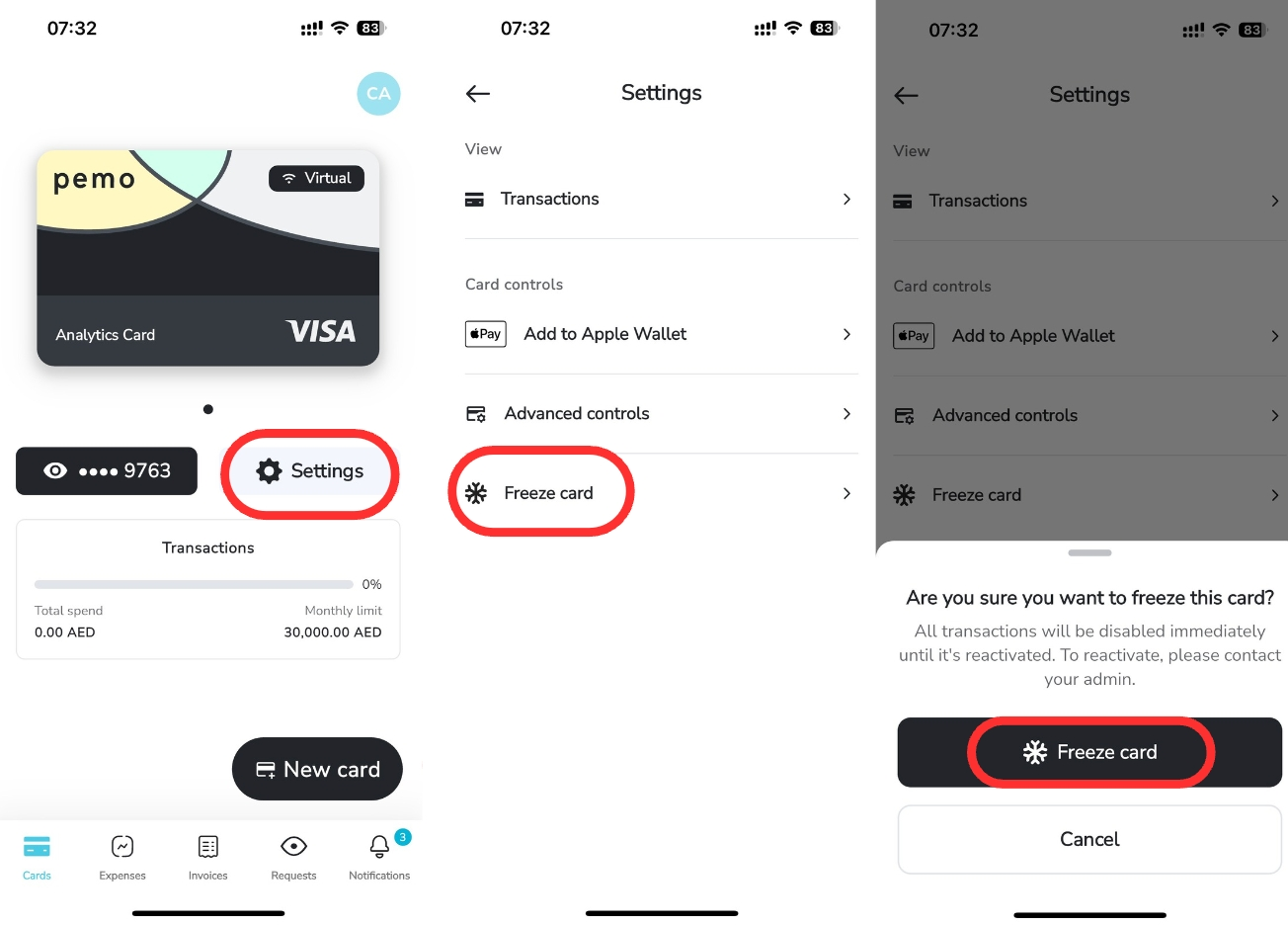
- Freeze in a few taps: a card locked from the app at any hour, with no bank call.
Pemo features
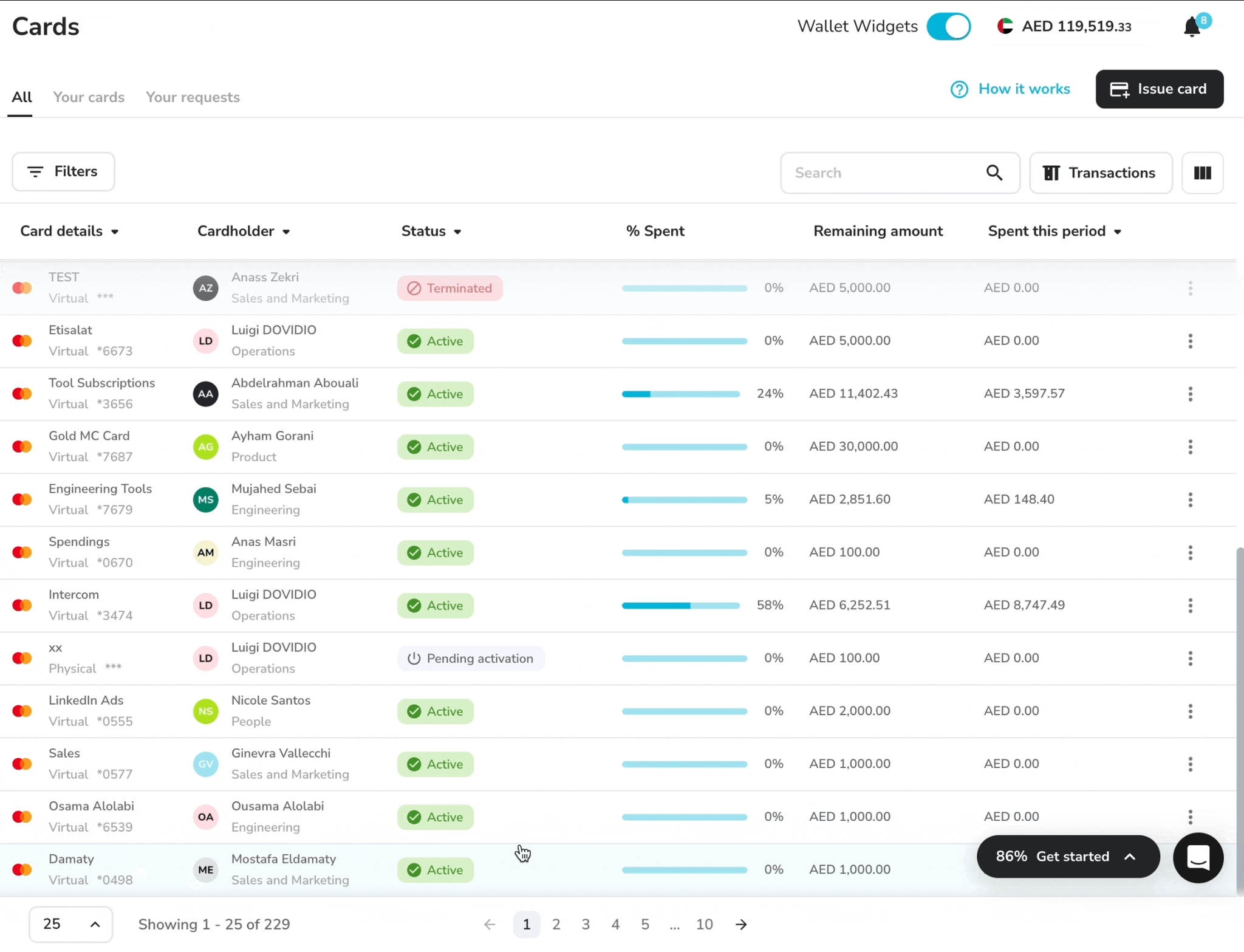
- Card limits by transaction or period: caps on single payments or on daily to yearly totals, such as AED 5,000 a month on a Google Ads card. I'd set one on every card from day one.
- Virtual and single-use cards: unlimited virtual cards, plus single-use cards that expire after one payment.
- Merchant, vendor and country rules: cards limited to chosen vendors, merchant categories or countries, with ATM access controlled card by card.
- Decline alerts with reasons: a push notification to the cardholder for most declined payments, naming the reason, such as Suspicious charge blocked or Country not allowed.
- Freeze, terminate and report: a reversible freeze in the app, termination on the desktop dashboard and fraud reports once a charge settles.
- In-app approval for online payments: every online card payment approved in the app, with the code generated on the cardholder's phone in place of SMS.
- Bill Pay checks on supplier payments: IBAN name checks, flags for mismatched IBANs, duplicate bills and new payees, and release by the Payment Order Authorizer only.
- Invoice-to-PO validation: Financial OS matches invoices to purchase orders and scans vendor data for anomalies before payment.
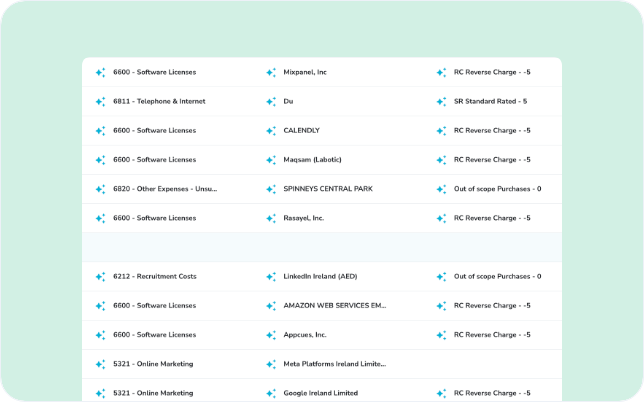
- Approvals and maker-checker: multi-layer approvals, maker-checker and duplicate expense detection.
💡 For security reviews, Pemo is PCI DSS certified and hosted on Google Cloud, with transactions encrypted in transit and no PINs or security codes kept on file.
Access is role-based, letting each company decide who views statements, issues cards or changes limits.
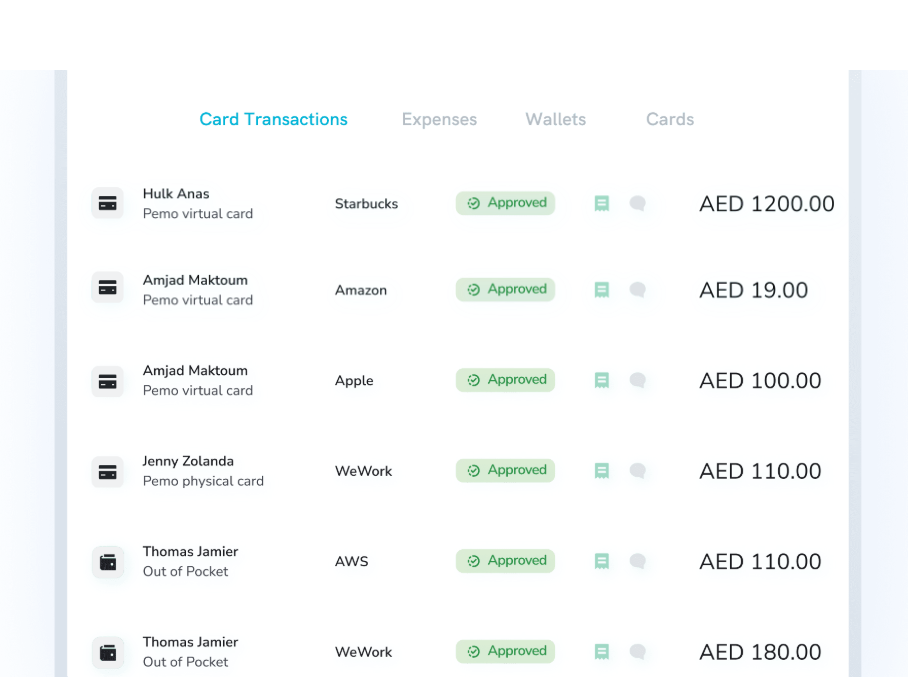
➡️ Our guide to vendor invoice processing in the UAE shows where the Bill Pay checks fit in the payables cycle.
Pemo's pricing
Pemo charges per company on each plan:
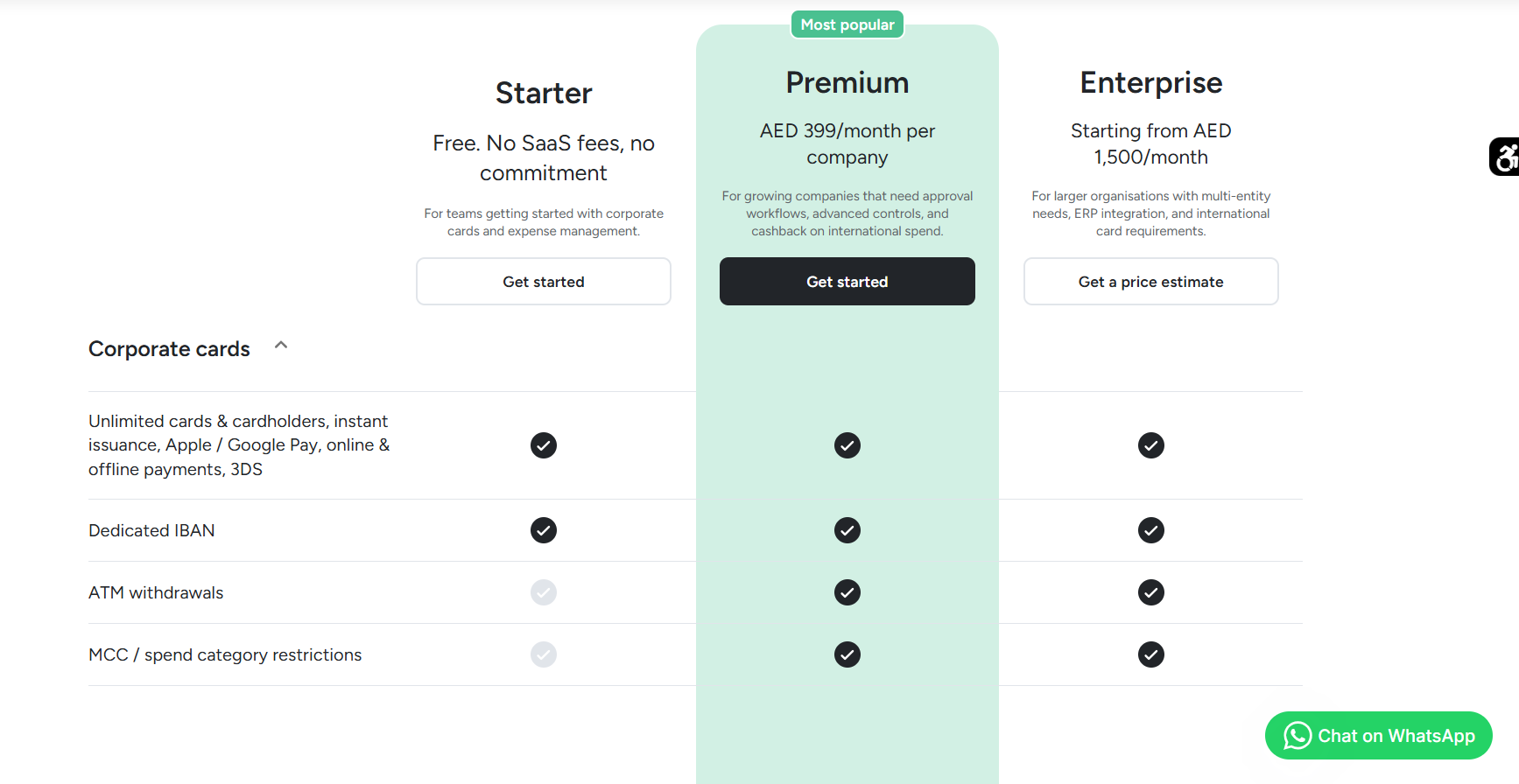
- Starter: AED 0, with unlimited virtual and single-use cards, per-transaction limits, 3DS and instant freezing.
- Premium: AED 399/month per company, adding merchant category restrictions, multi-layer approvals, maker-checker and duplicate detection.
- Enterprise: from AED 1,500/month for multi-entity groups, adding budgets and custom ERP integrations.
- Pemo Business Account: AED 200/month, or AED 99/month under the current discount, for Bill Pay.
Pemo's pros and cons
✅ Single-use cards available without a paid plan.
✅ Decline alerts explain why a payment failed.
✅ IBAN name checks before supplier payments.
✅ PCI DSS certified, hosted on Google Cloud.
❌ Merchant category restrictions and duplicate detection need Premium.
❌ Bill Pay sends AED transfers within the UAE only for now.
#2: Tipalti
Best for: Finance teams paying many suppliers or partners abroad who want payees screened before every payout.
Similar to: Kyriba.
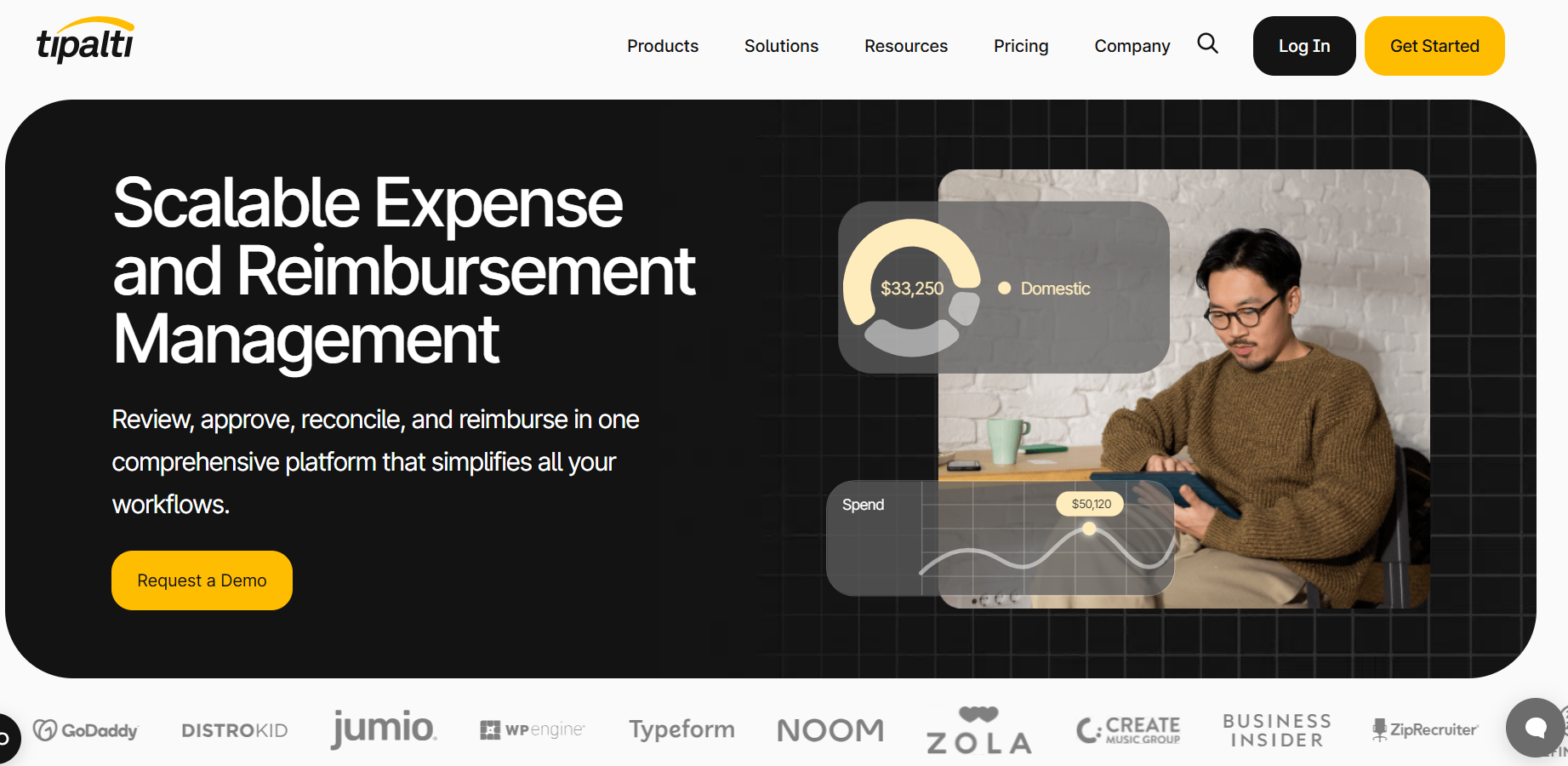
Tipalti runs supplier payables from onboarding to payout, with its Tipalti Detect module watching the payee network for signs of fraud.
Features
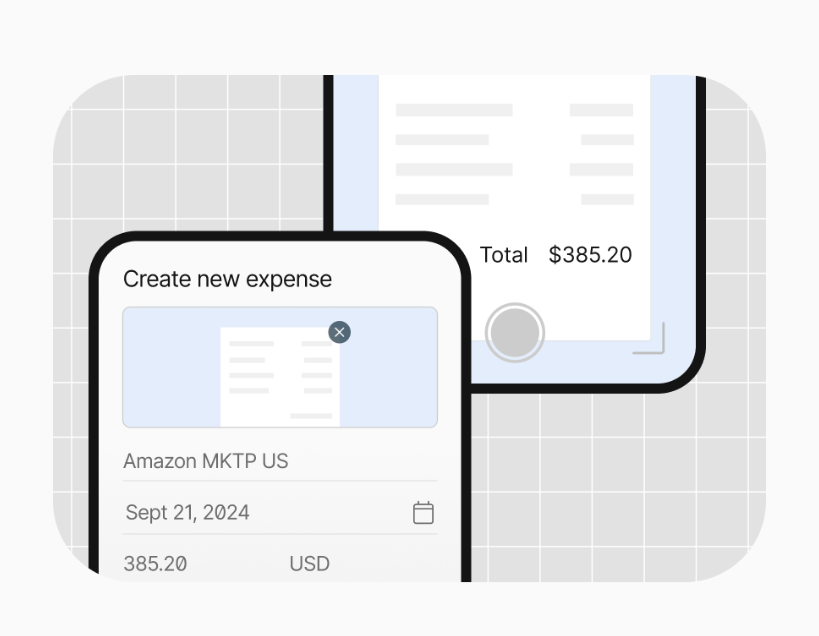
- Supplier portal: suppliers enter and maintain their own payment and tax details.
- Payment detail validation: IBAN, SWIFT codes and account numbers checked before a payment is attempted.
- Global payouts: payments to 200+ countries and territories using local rails.
- Multi-entity payables: several entities paid from one headquarters account.
- Tax ID validation: tax IDs validated against more than 3,000 country rules, covering 62 countries.
- Security certifications: SOC 2 Type II, with SAML/SSO sign-in.
Fraud controls
- Tipalti Detect: spots payees connected to blocked or suspended accounts, including ones reusing the same bank details or tax IDs.
- Payee holds: payouts to a flagged payee paused or stopped altogether.
- Sanctions screening: payees screened against OFAC and other sanctions lists at sign-up and again before each payout.
- Case records: each risk case logged with reviewer notes, with payee reports showing where a review stands.
Pricing
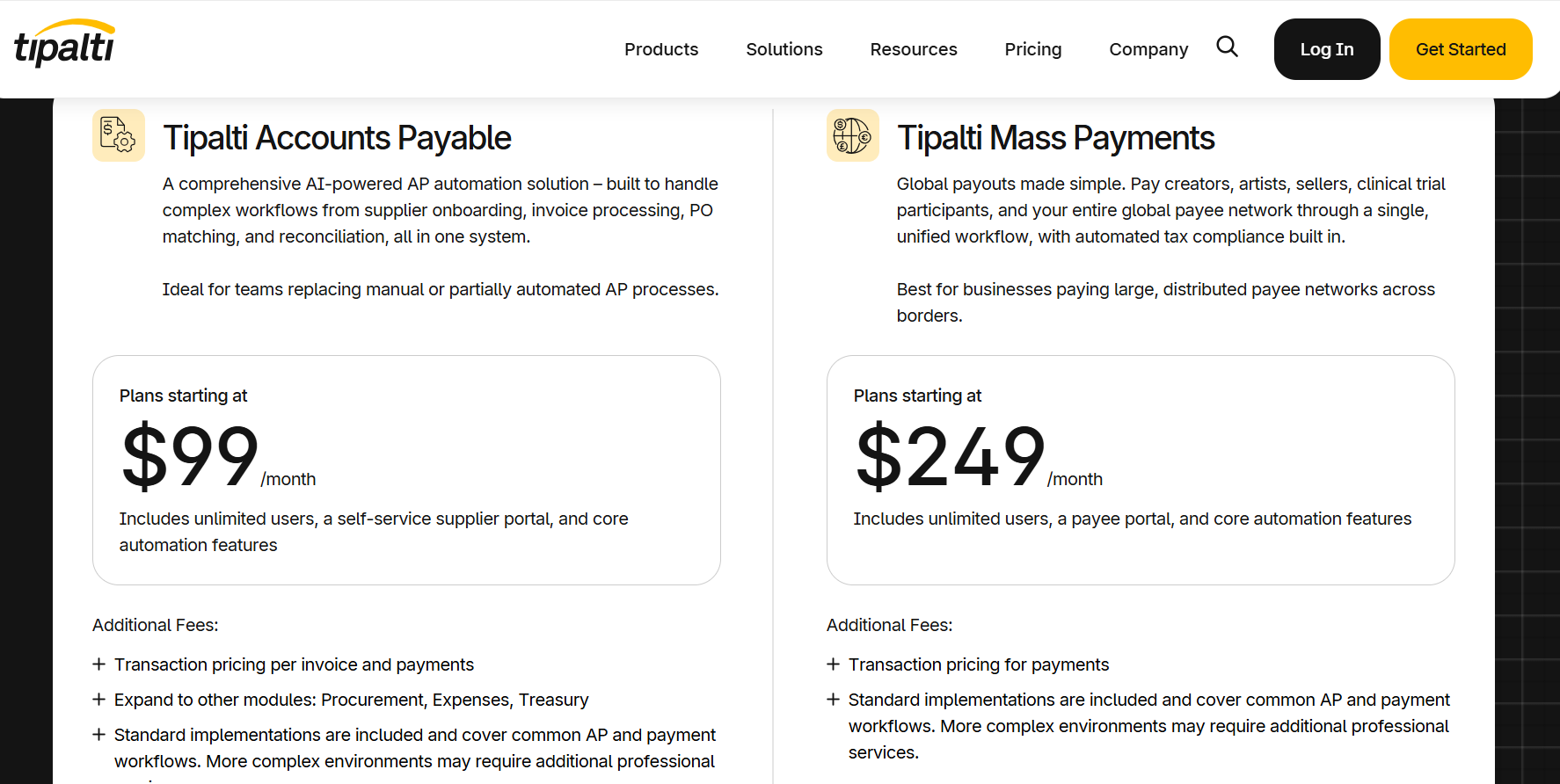
Tipalti publishes starting prices for its two core products, with transaction fees on top:
- Accounts Payable: from USD 99/month, with no per-user charge and a portal where suppliers manage their own details.
- Mass Payments: from USD 249/month, built for paying large payee networks in many countries.
- Payment fees: a charge on each invoice and payment, set in the sales quote.
- Add-on modules: Procurement, Expenses and Treasury, quoted separately.
Pros and Cons
✅ Payees screened at onboarding and again before each payment.
✅ Suppliers keep their own bank details current through the portal.
❌ Transaction fees per invoice and payment come on top of the subscription.
#3: Kyriba
Best for: Larger groups that route payments from several ERPs and banks through one hub.
Similar to: Tipalti.
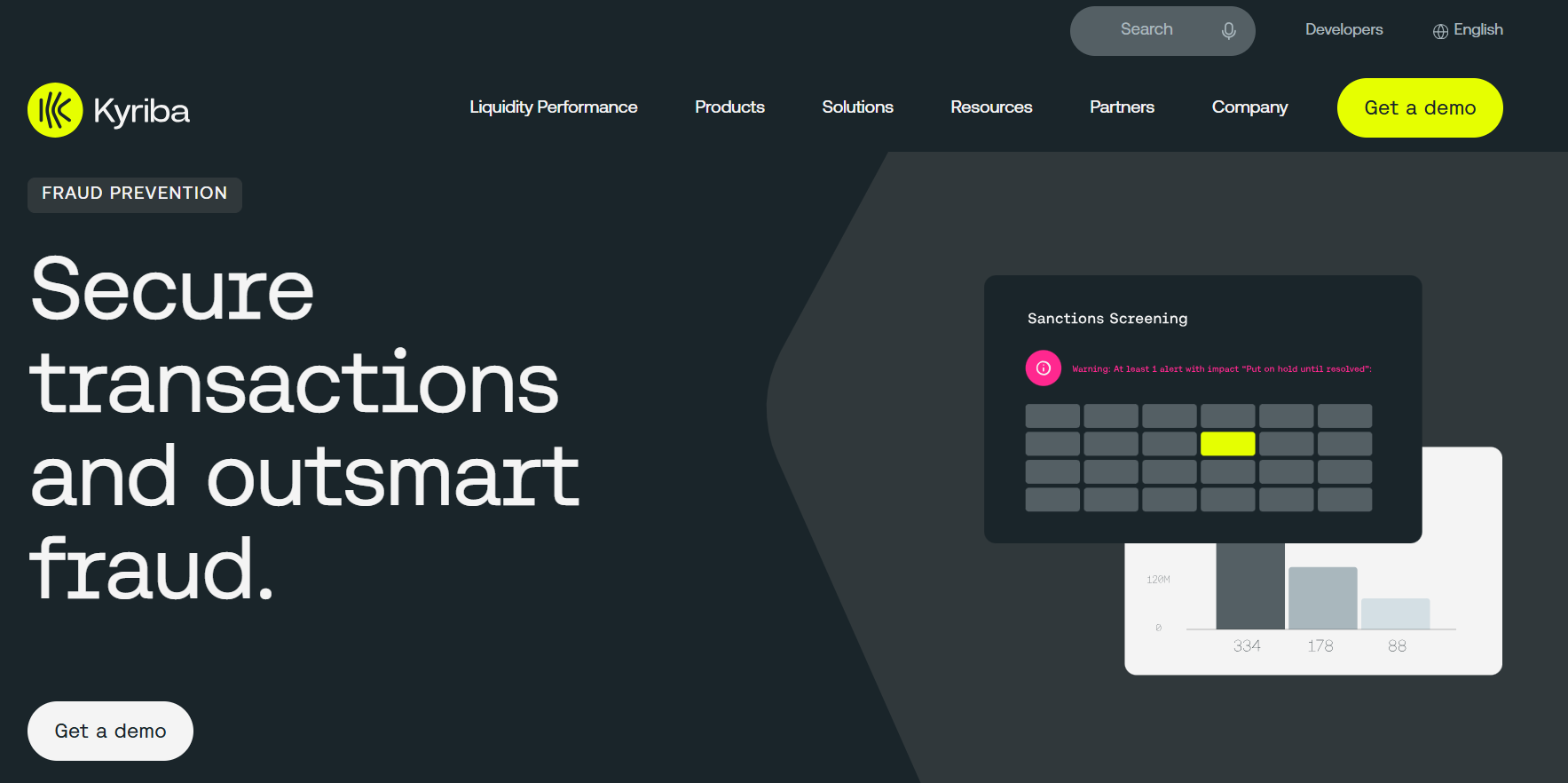
Kyriba is a treasury and payments platform whose Payments Fraud Detection module checks outgoing payments in real time, using machine learning alongside rules.
I'd normally look at Kyriba for groups that already run treasury centrally, such as Dubai-based Select Group, where Finesse implemented Kyriba's treasury and payments platform.
Features
- Payments hub: payments centralised across banks, ERPs, entities, currencies and payment rails.
- Approval controls: segregation of duties built into the payment lifecycle.
- Audit trails: drill-down dashboards covering every payment screening.
- Open API platform: new fraud services connected through APIs.
Fraud controls
- Pattern checks: payments that don't fit past behaviour held in quarantine for a reviewer.
- Rule triggers: alerts for a vendor's first payment to new bank details, totals above set limits, or one account receiving money for several vendors.
- Bank account ownership verification: one-time and recurring checks through partners such as Trustpair.
- Sanctions screening: payments screened against sanctions lists.
Pricing
Kyriba quotes each customer, with no public price list.
Pros and Cons
✅ Suspect payments held before release.
✅ Account ownership checks through partner integrations.
❌ No published pricing.
#4: HSBC
Best for: HSBC business clients making large or repeat supplier payments on virtual cards.
Similar to: American Express, ADCB.
HSBC's commercial cards suite in the UAE includes virtual cards that generate card-free numbers for supplier and employee payments.
Administrators set usage rules for each virtual card at the transaction level.
Features
- Single and batch payments: suppliers paid one at a time or in a batch, including large or recurring invoices.
- Virtual debit cards: Visa-based numbers debited straight from the company's current account.
- Mobile virtual cards: commercial cards added to digital wallets, in partnership with Mastercard.
- Apple Pay and Google Pay: available on HSBC commercial cards.
- HSBC Safeguard: periodic checks that customer details are current, part of HSBC's work against fraud and financial crime.
- Payment Fraud Awareness Guide: a 2025 guide for business clients on HSBC's UAE business site.
Fraud controls
- Transaction-level controls: usage rules attached to each virtual card.
- Single-use tokens: a new card number for each transaction on virtual debit cards.
- PCI DSS data handling: card data managed under the Payment Card Industry standard.
- Corporate Liability Waiver: protection against unauthorised employee use, up to USD 25,000 a year per cardholder, subject to terms.
Pricing
HSBC doesn't publish pricing for its virtual cards.
Pros and Cons
✅ Liability waiver for unauthorised employee use, up to USD 25,000 a year per cardholder, subject to terms.
✅ Card numbers can be limited to a single use.
❌ Pricing is agreed with HSBC, with no public rates.
#5: American Express
Best for: Companies paying suppliers that accept American Express, using a new virtual number per transaction.
Similar to: HSBC.
With American Express vPayment, each supplier payment gets its own Virtual Account Number, set for one use or several.
In the UAE, the service runs through the UAE branch of AMEX (Middle East) B.S.C. (c), which the Central Bank of the UAE regulates and licenses.
Features
- Virtual Account Numbers: generated per transaction, separate from existing Corporate Card numbers.
- Supplier acceptance: suppliers already taking American Express key in the virtual number at the point of purchase.
- Reconciliation data: transaction details carried with each virtual number for matching.
- Corporate Cards: American Express programmes for employee travel and spend.
Fraud controls
- Pre-set controls: an amount and a date range set for each virtual number.
- Charge verification: the supplier's charge checked against those controls before approval.
- Tokenised numbers: virtual numbers that aren't tied to existing card numbers.
- 24/7 fraud reporting: phishing alerts and a 24/7 customer service line on (+971) 4 4492222.
- Verification requests: American Express Middle East says it will never ask customers to verify their details through an emailed or texted form.
Pricing
American Express's UAE fee schedule for vPayment lists:
- Setup fee: zero.
- Annual fee: zero.
Pros and Cons
✅ No setup or annual fee on vPayment in the UAE.
✅ Limits set for each transaction.
❌ Suppliers need to accept American Express.
#6: ADCB
Best for: High-value B2B and supplier payments where every transaction should carry its own card number.
Similar to: HSBC, American Express.
ADCB's Virtual Corporate Credit Card issues a different 16-digit number each time a payment is made, with no physical card involved.
Single-use cards like this tend to suit one-off supplier payments best, which matches ADCB's focus on supplier and B2B payments.
Features
- Instant issuance: ready to use as soon as it's issued.
- Fully digital: no plastic card to lose or copy.
- Supplier focus: built for business-to-business payments.
- Fraud reporting: a contact centre for fraud reports on 600 50 2030.
Fraud controls
- Single-use numbers: a new 16-digit number for each transaction, which ADCB says reduces fraud risk.
- Contained exposure: each number covers one transaction, limiting what a leaked number can reach.
Pricing
ADCB doesn't publish pricing for its virtual corporate credit card.
Pros and Cons
✅ A new number for every transaction.
✅ Issued instantly.
❌ No published pricing.
#7: Mamo
Best for: Businesses that collect payments through Mamo and want fraud monitoring on the cards they spend from.
Similar to: Wio Business.
Mamo says its cards are PCI-DSS compliant, with transaction monitoring and real-time alerts among their fraud protections.
From what I've seen, these cards appeal most to businesses already collecting through Mamo, since the cards top up from that balance or by bank transfer.
Features
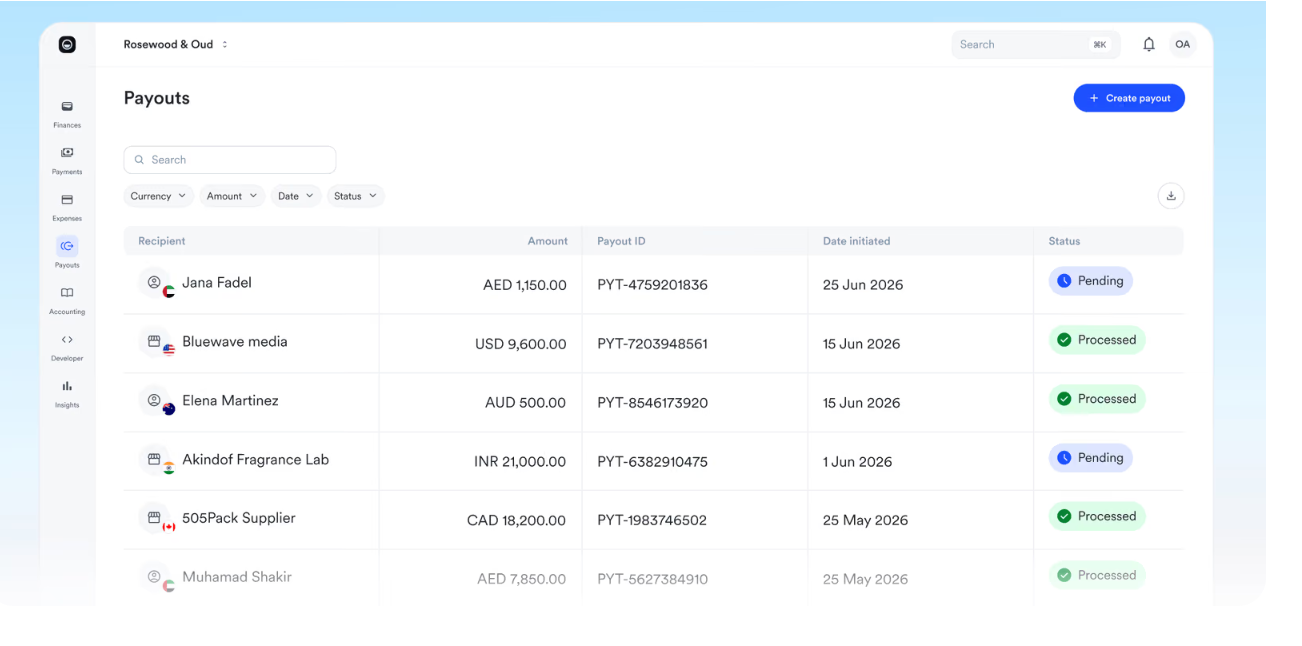
- Unlimited cards: physical or virtual, with no issuing cost.
- Cards for international teams: virtual cards for employees based abroad.
- Partner cards: virtual cards for paying third parties.
- Expense workflows: transactions logged as they happen.
Fraud controls
- Spending limits: per transaction, per day or per month, set card by card.
- Category controls: spending categories restricted per card.
- Monitoring and alerts: transaction monitoring with real-time alerts.
- Instant card changes: an admin can switch off or reissue a missing card from the dashboard straight away.
- Account security: sign-in by password or Google account, with data encrypted in transit and at rest.
- Manual review: manual transaction monitoring on top of automated checks.
Pricing
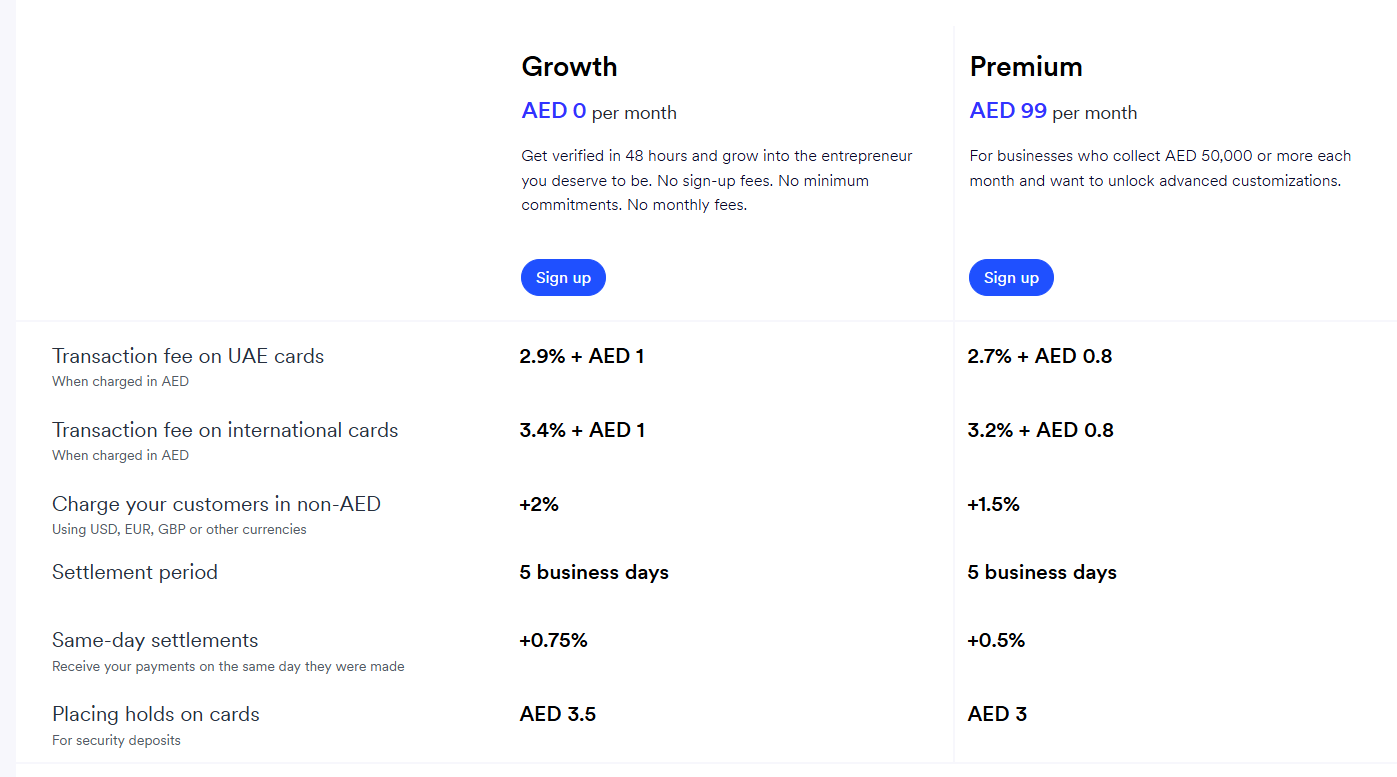
Mamo's corporate cards come free on both self-serve plans, priced before VAT:
- Growth: AED 0.
- Premium: AED 99/month.
- Enterprise: custom pricing.
Pros and Cons
✅ Fraud monitoring and alerts on free cards.
✅ Deactivation in seconds from the dashboard.
❌ Accounting integrations need Premium.
#8: Wio Business
Best for: Wio account holders who want team cards and instant blocking in one banking app.
Similar to: Mamo.

Wio Bank, licensed by the Central Bank of the UAE, gives account holders a way to lock the account at once when a phone goes missing.
It's worth setting an individual limit on every team card from the day it's created.
Features

- Virtual cards: created in the app and assigned to team members.
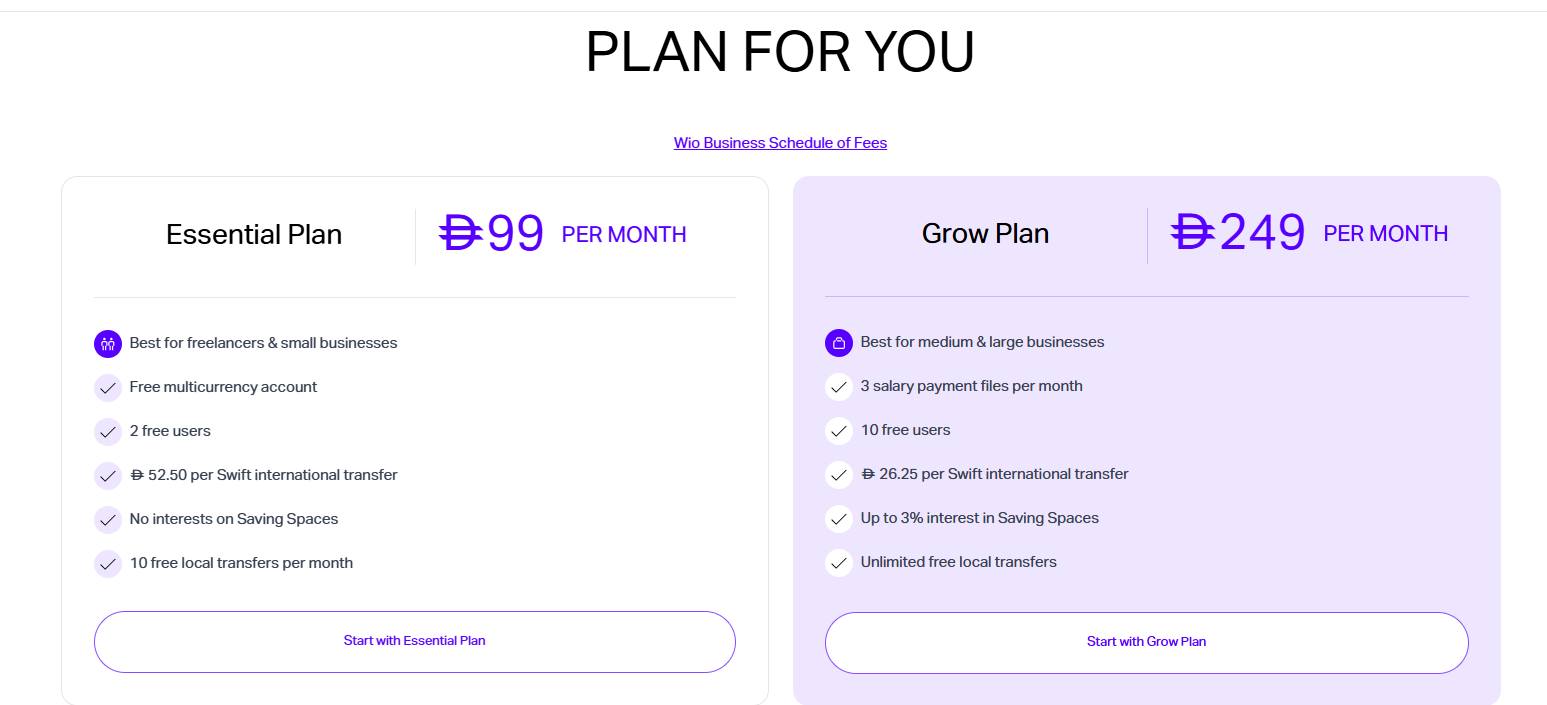
- Team access: 2 users on Essential and 10 on Grow, then AED 26.25 a month per extra user.
- Supply chain finance: supplier approvals and multi-currency payments in one platform.
- Business credit card: limits up to AED 250,000, subject to approval.
Fraud controls
- Individual card limits: spending capped card by card.
- Delegated rights: admins choose who can approve expenses or create cards.
- Report and terminate: a suspicious card transaction reported from the app terminates the card and opens a dispute, tracked in the app.
- Emergency account lock: a web page that suspends account activity without logging in, confirmed by facial verification.
- Call protection: transfers and card authorisations can't be approved during an active phone or VoIP call.
Pricing
Wio Business is priced by plan, with VAT included:
- Essential: AED 99/month.
- Grow: AED 249/month.
Pros and Cons
✅ An emergency account lock that works without logging in.
✅ Approval rights split across the team.
❌ Requires a Wio Business account.
#9: Network International
Best for: Companies that want merchant category blocking and liability insurance on a commercial prepaid card.
Similar to: HSBC.
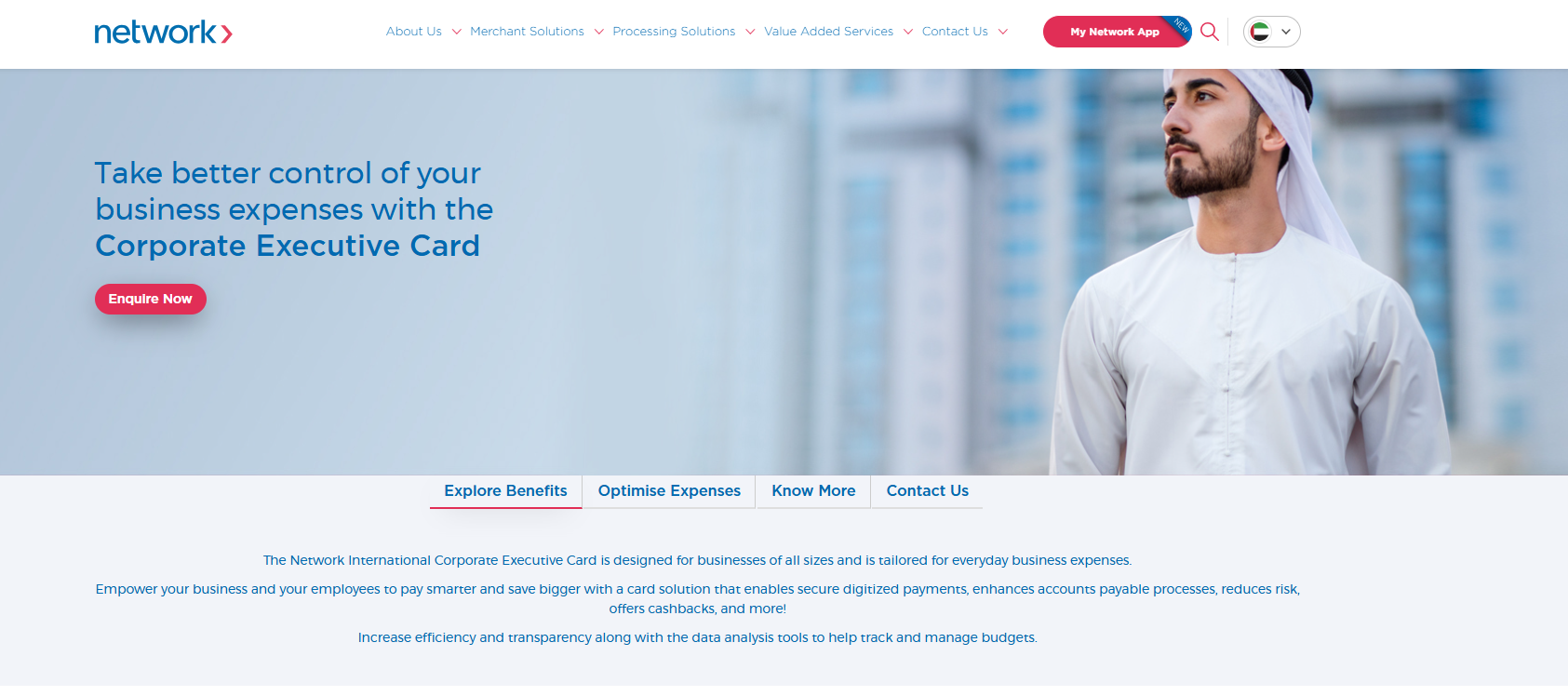
Network International's Corporate Executive Card is a commercial prepaid product with daily and monthly limits on each card.
An expense management platform and a free self-service portal come with the card.
Features

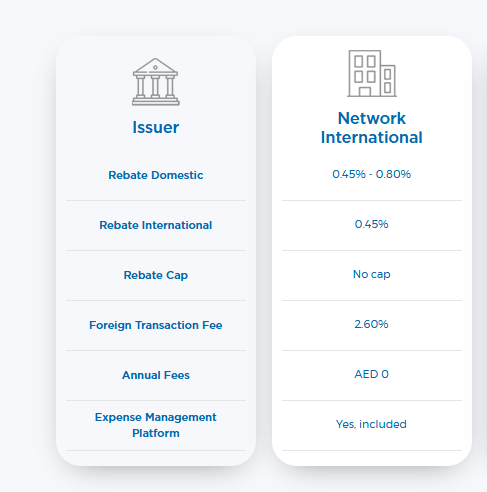
- Cashback: from 0.45%, uncapped.
- Spend reporting: an expense management platform that comes with the card at no annual fee.
- VAT reclaim: discounted rates with a partner service.
- Card setup: card groupings shaped around the company's structure.
Fraud controls
- Liability cover: insurance of up to USD 25,000 per card a year if an employee misuses a card, subject to the insurer's terms.
- Spending caps: a daily and a monthly amount per card.
- Category blocks: merchant types switched off on individual cards.
- Linked virtual cards: a virtual card tied to each employee's physical card.
Pricing
Network International publishes two charges for the card:
- Annual fee: AED 0.
- Foreign transaction fee: 2.60%.
Pros and Cons
✅ Liability waiver insurance included.
✅ Merchant blocking with no annual fee.
❌ Sign-up starts with an enquiry to Network International's commercial team.
What should UAE finance teams look for in payment fraud prevention software?
A UAE finance team should judge four things: how far a stolen card or redirected payment can reach, detection speed, the time it takes to stop a payment and the checks applied to supplier payments.
In my experience, the days between a fraudulent charge and someone noticing it shape the loss more than the attacker's skill does.
I'd score each tool on these four areas: 👇
Limits on what a stolen card can buy
The first test is how small a tool can make each card's reach:
- Per-transaction and period caps: limits on single payments and on daily or monthly totals.
- Single-use and vendor-locked cards: cards that close after one payment, or serve a single supplier.
- Merchant and country rules: categories and locations a card is blocked from.
- Cash access off by default: ATM withdrawals disabled until someone asks for them.
Detection on the same day
I'd want any suspicious charge visible on the day it happens:
- Real-time notifications: alerts on completed and declined payments.
- Decline reasons: a readable cause attached to each failed payment.
- Anomaly flags: unusual merchants or amounts highlighted for review.
- Duplicate checks: the same bill or expense caught before it's paid twice.
Stopping a payment fast
Once something looks wrong, the response should take minutes:
- Instant freeze: a reversible lock applied from a phone.
- Termination and replacement: a confirmed compromise closed and a new card issued.
- Dispute reporting: a clear route for flagging an unauthorised charge.
- In-app authentication: online payments approved inside the app, in place of SMS codes.
Checks on supplier payments
Supplier fraud rarely needs a stolen card.
You'll want bank-change and approval checks doing most of the work there:
- Payee verification: IBANs checked against the account holder's name.
- First-payment flags: new payees highlighted before money leaves.
- Separation of duties: whoever edits bank details can't also release the payment.
- Invoice-to-PO matching: bills checked against purchase orders.
➡️ Our guide on how to catch and prevent payment fraud in the UAE covers the habits behind these controls.
Next steps: protect company payments with Pemo
Every tool on this list narrows what a fraudster can reach, though each one starts at a different point in the payment.
Pemo covers the two routes most attempts take, company cards and supplier transfers, from the same dashboard.
If you want fraud controls that also give you:
- Receipt capture by WhatsApp and email: receipts matched to each card payment.
- Accounting export: coded expenses sent to Xero, QuickBooks, Zoho Books and other ledgers.
- Cashback: 0.5% on international card spend on Starter, up to 2% on Premium, depending on the account's FX fee profile.
- Role-based access: separate rights for issuing cards and changing limits.
It's ideal to start with a cap on every card and one virtual card per vendor, both available on the free Starter plan.
A Pemo demo shows the decline alerts and Bill Pay checks on your own setup.
⚠️ Disclaimer: This article was last updated on 20 November 2026 and covers general product information, not legal or security advice. Vendor features and prices change often. Please confirm current details with each provider.
Payment fraud prevention FAQs
What is payment fraud prevention software?
Payment fraud prevention software puts controls such as card limits or payee checks on outgoing company payments, flagging suspicious activity for review.
For a UAE business, it usually covers card spend as well as supplier bank transfers.
How do single-use virtual cards reduce fraud?
A single-use virtual card expires after one payment, which is designed to stop a copied number being charged a second time.
Several tools on this list offer them, including ADCB, whose virtual card generates a new number for every transaction.
How can a finance team stop supplier bank-detail fraud?
Supplier bank-detail fraud is best stopped with a phone call to a contact already on file, plus software that checks the new account before payment.
Pemo shows the account holder's name for each IBAN and flags mismatches and first-time payees before a bill is paid.
Kyriba and Tipalti both offer account validation before payouts.
What should happen in the first hour after suspected card fraud?
Freezing the card comes first, since it's reversible.
Reviewing the charge and alerting finance or IT follow straight after.
The card provider should hear about it straight away, with the card terminated once the charge is confirmed as unauthorised. Some apps, Pemo included, only open the in-app fraud report after the charge settles.
Pemo's payment fraud do's and don'ts lists the habits that close the easiest doors.